
What Is Construction Phase Inspection and Why It Matters
Most American building projects face costly setbacks from missed inspections or unclear oversight. For Florida homeowners and small business owners, understanding the construction phase inspection process is vital to avoid expensive errors and delays. With multiple inspections required by local regulations, knowing what each stage covers can make a real difference in protecting your investment and ensuring your property meets all modern safety and quality standards.
Table of Contents
- Defining Construction Phase Inspection In Practice
- Major Types Of Construction Phase Inspections
- Inspection Steps From Pre-Pour To Project Closeout
- Legal Standards And Permitting In Florida
- Roles, Responsibilities, And Common Pitfalls
Key Takeaways
| Point | Details |
|---|---|
| Construction phase inspections are essential for quality control | They ensure compliance with safety standards and building codes, preventing costly rework and structural issues. |
| Four major types of inspections have specific focuses | These include Foundation Inspections, Mechanical and Electrical Systems Inspections, Structural Framing Inspections, and Final Completion Inspections. |
| Documentation is crucial throughout the inspection process | Maintain copies of inspection reports and permits to assist with future maintenance, insurance claims, and property transactions. |
| Effective communication among project stakeholders is vital | Clear communication and documentation among Project Managers, Contractors, and Inspectors help prevent misunderstandings and project delays. |
Defining Construction Phase Inspection in Practice
Construction phase inspections represent a systematic approach to quality control and risk management during building projects. These critical assessments ensure that construction work meets established safety standards, regulatory requirements, and design specifications. Systematic examination of processes involves trained professionals carefully evaluating every stage of construction from foundation to final completion.
The inspection process typically encompasses multiple crucial stages, including foundational checks, structural framing assessments, mechanical systems evaluations, and electrical infrastructure reviews. Inspectors use detailed checklists and technical expertise to verify that contractors are adhering to approved blueprints, local building codes, and engineering standards. This methodical approach helps identify potential issues early, preventing costly rework and ensuring structural integrity and safety.
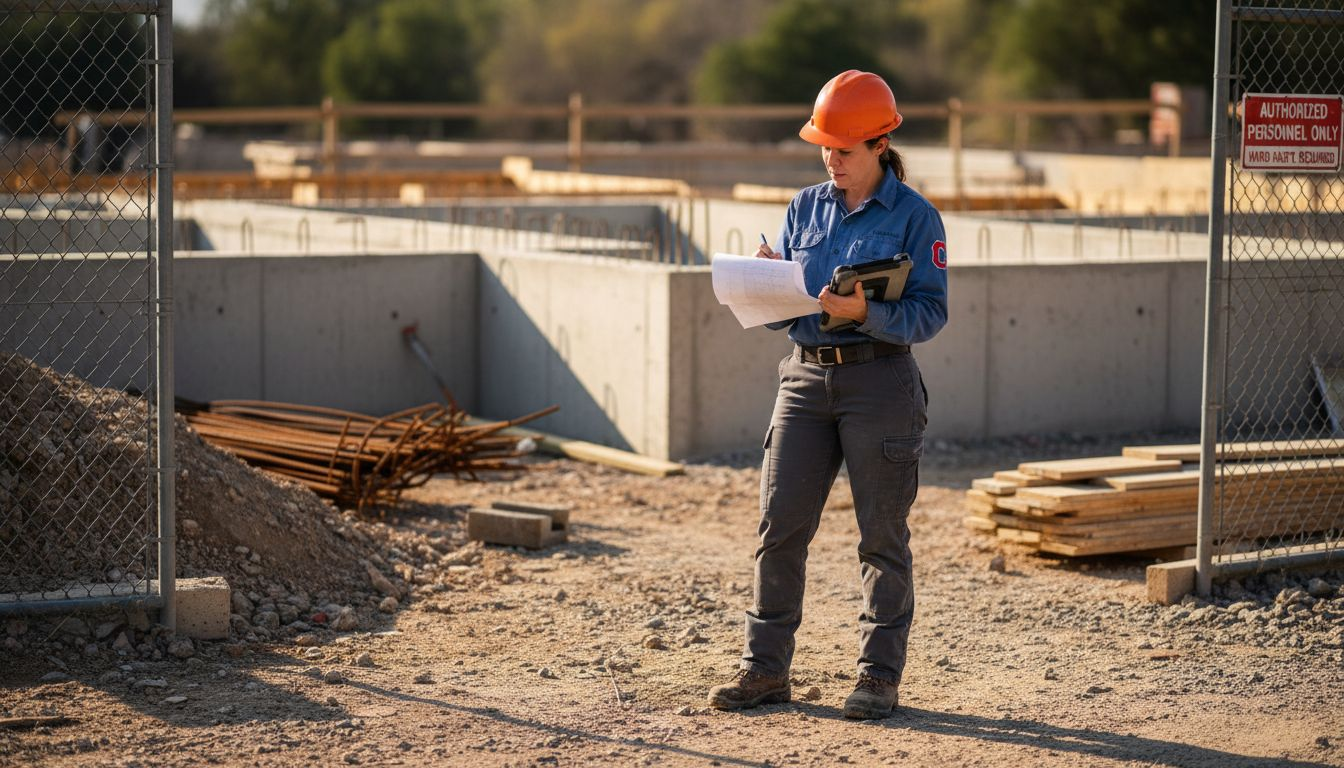
Key components of construction phase inspections include documenting work progress, verifying material quality, checking compliance with design specifications, and confirming that all installation methods meet industry best practices. Inspectors act as independent third-party professionals who provide unbiased assessments, helping protect homeowners and project stakeholders from potential construction defects or non-compliant work.
Pro tip: Always request detailed inspection reports and maintain copies for future reference, as these documents can be crucial for insurance, resale, and potential warranty claims.
Major Types of Construction Phase Inspections
Construction phase inspections encompass several critical evaluation types designed to ensure project quality, safety, and regulatory compliance. Four essential inspection categories provide comprehensive oversight throughout the building process, each focusing on specific aspects of construction performance and structural integrity.

The first major type is Foundation Inspections, which involve detailed assessments of ground preparation, concrete pouring, reinforcement placement, and structural support systems. Inspectors carefully examine soil compaction, rebar positioning, concrete strength, and overall foundation alignment to prevent potential structural issues that could compromise building stability. These inspections are crucial during initial construction stages, as foundation problems can lead to significant long-term structural complications.
Second, Mechanical and Electrical Systems Inspections thoroughly evaluate the installation and functionality of critical building infrastructure. These assessments include reviewing electrical wiring, plumbing connections, HVAC system installations, and ensuring all mechanical components meet local building codes and manufacturer specifications. Inspectors verify proper routing, connection integrity, load capacities, and compliance with safety standards to prevent potential system failures or fire hazards.
The third category involves Structural Framing Inspections, which focus on examining the building’s skeletal framework, including wall assemblies, roof trusses, floor joists, and load-bearing elements. These inspections ensure that structural components are correctly installed, properly aligned, and capable of supporting anticipated loads. Inspectors check for potential wood defects, improper connections, and adherence to engineering specifications that guarantee the building’s long-term structural performance.
Finally, Final Completion Inspections represent the comprehensive assessment that occurs before occupancy, involving a holistic review of all previous inspection findings and ensuring that every aspect of the construction meets required standards. These inspections verify that all previously identified issues have been addressed, systems are fully functional, and the project complies with all regulatory requirements.
Pro tip: Request copies of all inspection reports throughout the construction process and maintain a detailed file, as these documents can be invaluable for future maintenance, insurance claims, and potential resale documentation.
Here’s a quick summary of the four major types of construction phase inspections and what each accomplishes:
| Inspection Type | Main Focus | Typical Assessment Areas | Key Benefits |
|---|---|---|---|
| Foundation | Ground stability and placement | Soil compaction, concrete, rebar | Prevents settling issues |
| Mechanical/Electrical | Infrastructure and safety | Wiring, plumbing, HVAC | Reduces fire risk |
| Structural Framing | Load-bearing and alignment | Wall, roof trusses, connections | Ensures long-term safety |
| Final Completion | Whole-project compliance | System checks, finishes | Confirms full readiness |
Inspection Steps From Pre-Pour to Project Closeout
The construction inspection process follows a strategic progression from initial site preparation to final project completion, with each stage requiring meticulous documentation and systematic evaluation. Step-by-step building inspections demand careful attention to detail and comprehensive assessment of multiple project phases.
Pre-Pour Preparation Inspections represent the critical initial stage where site conditions, ground preparation, and foundational elements are thoroughly examined. Inspectors evaluate soil compaction, verify excavation depths, check underground utility placements, and ensure proper grading and drainage configurations. This preliminary assessment helps identify potential issues before concrete pouring, preventing costly structural complications and ensuring a solid foundation for the entire project.
During Active Construction Phase Inspections, professionals conduct multiple targeted assessments throughout different building stages. These inspections cover structural framing, mechanical systems installation, electrical wiring, plumbing connections, and overall compliance with building codes. Inspectors systematically review each construction phase, documenting material quality, installation techniques, and adherence to engineering specifications. They verify that structural components meet load-bearing requirements, mechanical systems are correctly configured, and all installations comply with local and state regulatory standards.
The Final Completion Inspection represents the culminating assessment before project occupancy. This comprehensive review involves a detailed examination of all previously completed work, ensuring every system functions correctly and meets predetermined quality standards. Inspectors perform comprehensive tests on electrical, plumbing, and mechanical systems, verify structural integrity, check interior and exterior finishes, and confirm that all previous inspection recommendations have been successfully addressed. They generate a comprehensive report documenting the project’s compliance with all relevant building codes and specifications.
Pro tip: Maintain a detailed communication log with your inspector throughout the construction process, documenting all findings, recommendations, and corrections to create a comprehensive project history.
Legal Standards and Permitting in Florida
Florida’s construction legal landscape is characterized by rigorous regulatory requirements designed to ensure public safety and structural integrity. Residential permitting protocols demand meticulous attention to detail and comprehensive documentation throughout the building process. The state’s comprehensive framework governs every aspect of construction, from initial planning to final occupancy.
The Florida Building Code serves as the primary regulatory mechanism, establishing statewide standards that contractors and property owners must follow. This comprehensive set of regulations covers critical areas including structural design, material specifications, energy efficiency, accessibility requirements, and safety protocols. Local building departments enforce these standards through a systematic permitting process that requires detailed plan submissions, thorough reviews, and mandatory inspections at multiple construction stages. Failure to comply can result in significant penalties, including stop-work orders, fines, and potential legal complications.
Permitting in Florida involves a multi-step process overseen by the Florida Department of Business and Professional Regulation. Property owners and contractors must secure appropriate permits before commencing any construction work, which requires submitting detailed architectural and engineering plans for comprehensive review. These plans must demonstrate full compliance with state and local building codes, zoning regulations, and safety standards. Inspections are conducted at critical phases of construction to verify ongoing compliance, including pre-pour assessments, structural framing evaluations, mechanical systems reviews, and final occupancy inspections.
The state’s regulatory framework is designed to protect public safety by ensuring that all construction projects meet stringent quality and safety standards. This involves not just initial permitting, but continuous oversight through mandatory inspections that verify adherence to approved plans and building codes. Contractors must maintain detailed documentation, obtain necessary approvals at each stage, and address any issues identified during the inspection process.
Pro tip: Maintain a comprehensive file of all permits, inspection reports, and correspondence with local building authorities to streamline future property transactions and potential renovations.
Roles, Responsibilities, and Common Pitfalls
Construction projects involve a complex network of professionals, each playing a critical role in ensuring project success and quality. Construction oversight and inspection requires precise coordination and clear communication among multiple stakeholders, with each team member bearing specific responsibilities that contribute to the overall project outcome.
The Project Manager serves as the central coordinator, responsible for managing timelines, budgets, and communication between different teams. They must track progress, resolve conflicts, ensure regulatory compliance, and maintain comprehensive documentation. Contractors and subcontractors execute the actual construction work, following approved plans and meeting quality standards. Their responsibilities include implementing design specifications, maintaining safety protocols, and collaborating with inspectors to address any identified issues during construction phases.
Inspectors play a crucial role as independent third-party professionals who verify compliance with building codes, safety regulations, and project specifications. They conduct systematic evaluations at multiple stages, documenting findings, identifying potential problems, and ensuring that construction meets all required standards. Their assessments help prevent costly rework, structural deficiencies, and potential safety hazards by catching and addressing issues early in the construction process.
Common pitfalls in construction oversight include poor communication, inadequate documentation, delayed problem resolution, and inconsistent quality control. Miscommunication between project managers, contractors, and inspectors can lead to misunderstandings, schedule delays, and increased project costs. Incomplete or inaccurate documentation can create challenges during inspections, potentially resulting in project setbacks or regulatory non-compliance. Proactive communication, detailed record-keeping, and a commitment to addressing issues promptly are essential strategies for mitigating these potential risks.
Below is an overview of key roles in construction oversight and common pitfalls to watch out for:
| Role | Main Responsibilities | Common Pitfalls |
|---|---|---|
| Project Manager | Coordination, timelines, compliance | Poor communication |
| Contractor/Subcontractor | Construction, safety, specs | Inadequate documentation |
| Inspector | Third-party compliance assessment | Late issue detection |
Pro tip: Establish a clear communication protocol with regular check-ins and written documentation to ensure all team members are aligned and potential issues are addressed quickly and effectively.
Ensure Quality and Compliance with Expert Construction Inspections
Understanding the critical role of construction phase inspection is the first step in safeguarding your residential or commercial project against costly mistakes and delays. This article highlights common challenges like poor documentation, late issue detection, and non-compliance with regulatory standards such as the Florida Building Code. Whether it is foundation assessments, mechanical and electrical inspections, or final completion reviews, having reliable and thorough inspection services can prevent structural problems and protect your investment.
At Florida Licensed Engineers, we specialize in comprehensive engineering solutions including inspections, permitting expediter services, and detailed blueprint preparation. Our skilled team helps you navigate complex construction phases with precision and confidence. By partnering with us, you gain access to expert evaluations that ensure every stage meets safety and quality benchmarks. Learn more about effective construction management in our TLE Archives.

Take charge of your project’s success today. Visit Florida Licensed Engineers to secure expert construction phase inspection and engineering services that bring peace of mind and lasting value.
Frequently Asked Questions
What are construction phase inspections?
Construction phase inspections are systematic assessments during the construction process that ensure quality control and adherence to safety standards, regulatory requirements, and design specifications.
Why are construction phase inspections important?
These inspections are crucial for identifying potential issues early in the construction process, which can prevent costly rework and ensure the structural integrity and safety of the building.
What types of inspections occur during the construction phase?
The major types of inspections include Foundation Inspections, Mechanical and Electrical Systems Inspections, Structural Framing Inspections, and Final Completion Inspections, each focusing on different critical aspects of construction.
What is included in a final completion inspection?
A final completion inspection involves a comprehensive review of all previous work, ensuring that everything meets required standards and that all systems function correctly before the building is occupied.
Recommended
- Complete Guide to the Role of Inspections in Construction – FloridaLicensedEngineers.com
- Complete Guide to the Role of Inspections in Building – FloridaLicensedEngineers.com
- Why Building Inspections Matter for Property Owners – FloridaLicensedEngineers.com
- How to Conduct Construction Inspections Effectively – FloridaLicensedEngineers.com
- Construction Project Phases Explained: UK Best Practice
