
Site Inspection: Ensuring Safe, Compliant Projects in Florida
Over 80 percent of American property owners in Florida underestimate the complexity of site inspections when starting new construction projects. Failing to fully understand these rigorous technical evaluations can lead to costly compliance issues and unexpected delays. This guide explores what truly defines a site inspection, clears up common misconceptions, and helps owners and contractors in Florida make smarter decisions for project safety and legal compliance.
Table of Contents
- Site Inspection Defined and Common Misconceptions
- Key Types of Site Inspections for Florida Projects
- How Site Inspections Work: Steps and Stakeholders
- Legal Requirements Under Florida Codes and Laws
- Critical Roles, Risks, and Liability for Owners
- Common Pitfalls and How to Avoid Inspection Delays
Key Takeaways
| Point | Details |
|---|---|
| Comprehensive Assessment | Site inspections evaluate construction projects for safety, quality, and regulatory compliance, requiring specialized knowledge and a detailed approach. |
| Multiple Inspection Types | Florida construction projects necessitate various inspection types, each addressing specific phases and technical domains of construction. |
| Legal Compliance | Adherence to Florida’s building codes is critical, as non-compliance can result in severe penalties, including financial fines and legal liabilities. |
| Effective Communication | Clear communication and coordination among stakeholders are essential to prevent inspection delays and ensure project success. |
Site Inspection Defined and Common Misconceptions
Site inspection represents a comprehensive professional assessment designed to evaluate construction projects for safety, quality, and regulatory compliance. Far more than a simple walkthrough, these evaluations are intricate processes that scrutinize multiple technical domains to prevent potential hazards and ensure project integrity. Site inspection professionals systematically examine structural, electrical, mechanical, and architectural elements to validate that construction meets established standards.
Contrary to popular belief, site inspections are not superficial checkboxes but detailed technical investigations requiring specialized knowledge and methodical approaches. Inspectors analyze complex systems including foundation stability, electrical wiring configurations, plumbing infrastructure, mechanical equipment installations, and overall structural soundness. Common misconceptions include assuming inspections are quick visual assessments or that they can be performed without rigorous technical expertise. In reality, these professional evaluations demand extensive training, precision instrumentation, and deep understanding of building codes and engineering principles.
In the Florida construction landscape, site inspections serve critical protective functions. They safeguard property owners, ensure public safety, and validate compliance with stringent local and state regulations. Inspectors meticulously document potential risks, structural anomalies, code violations, and safety concerns that might compromise a building’s integrity. Their comprehensive reports provide actionable insights that help developers, contractors, and property owners address potential issues before they escalate into significant problems.
Pro Tip: Always request comprehensive documentation and specific findings from your site inspector, not just a general pass/fail assessment, to fully understand your project’s technical status and potential improvement areas.
Key Types of Site Inspections for Florida Projects
Florida construction projects require multiple specialized inspection types to ensure comprehensive safety and regulatory compliance. These inspections are strategically designed to address different phases and technical domains of construction, providing critical oversight throughout a project’s lifecycle. The primary inspection categories include preliminary site assessments, foundation evaluations, structural integrity checks, mechanical system reviews, electrical system verifications, and final compliance inspections.
Each inspection type serves a unique purpose in the construction process. Preliminary site assessments examine the geographical and environmental conditions, evaluating factors like soil stability, drainage patterns, and potential environmental constraints. Foundation inspections focus on the critical structural base, analyzing concrete quality, reinforcement placement, and load-bearing capabilities. Structural inspections delve deeper, examining framing, load distributions, and overall building integrity, ensuring that the construction meets Florida’s stringent building codes and can withstand local environmental challenges such as hurricane-force winds and potential flooding.
Mechanical, electrical, and plumbing (MEP) inspections represent another crucial category of site evaluations. These technical assessments verify that complex building systems are installed correctly, safely, and in compliance with local and state regulations. Electrical inspections check wiring configurations, panel installations, grounding systems, and overall electrical safety. Mechanical inspections evaluate HVAC systems, ventilation, and equipment installations. Plumbing reviews confirm proper pipe installations, drainage systems, water pressure standards, and adherence to health and safety requirements specific to Florida’s unique environmental conditions.
Pro Tip: Request detailed written reports after each inspection stage, documenting specific findings and potential areas of concern to maintain a comprehensive understanding of your project’s technical progress and compliance status.
Here’s a quick reference for major inspection types in Florida construction projects:
| Inspection Type | Primary Focus | Typical Timing |
|---|---|---|
| Preliminary Assessment | Site conditions, environment | Before construction |
| Foundation Inspection | Concrete quality, stability | Post-foundation phase |
| Structural Inspection | Framing, overall integrity | During/after framing |
| MEP Inspection | Mechanical, electrical, plumbing | After system installation |
| Final Compliance Check | Overall code adherence | Before occupancy |
How Site Inspections Work: Steps and Stakeholders
Site inspections are complex, multi-staged processes that require careful coordination among various stakeholders and technological tools. The typical inspection workflow begins with comprehensive preparation, involving document review, site history analysis, and strategic planning. Inspectors meticulously gather background information, review previous assessment records, and develop a detailed inspection strategy tailored to the specific project’s requirements and potential risk factors.
The actual site inspection process involves systematic evaluation across multiple domains. Inspectors conduct thorough walkthroughs, examining structural elements, mechanical systems, electrical configurations, and overall site conditions. They utilize advanced technologies including digital measurement tools, thermal imaging cameras, drones, and specialized diagnostic equipment to capture precise data. Key stakeholders typically include regulatory officials, project managers, contractors, safety specialists, and third-party engineering consultants who collaborate to ensure comprehensive project assessment and compliance with Florida’s stringent building standards.
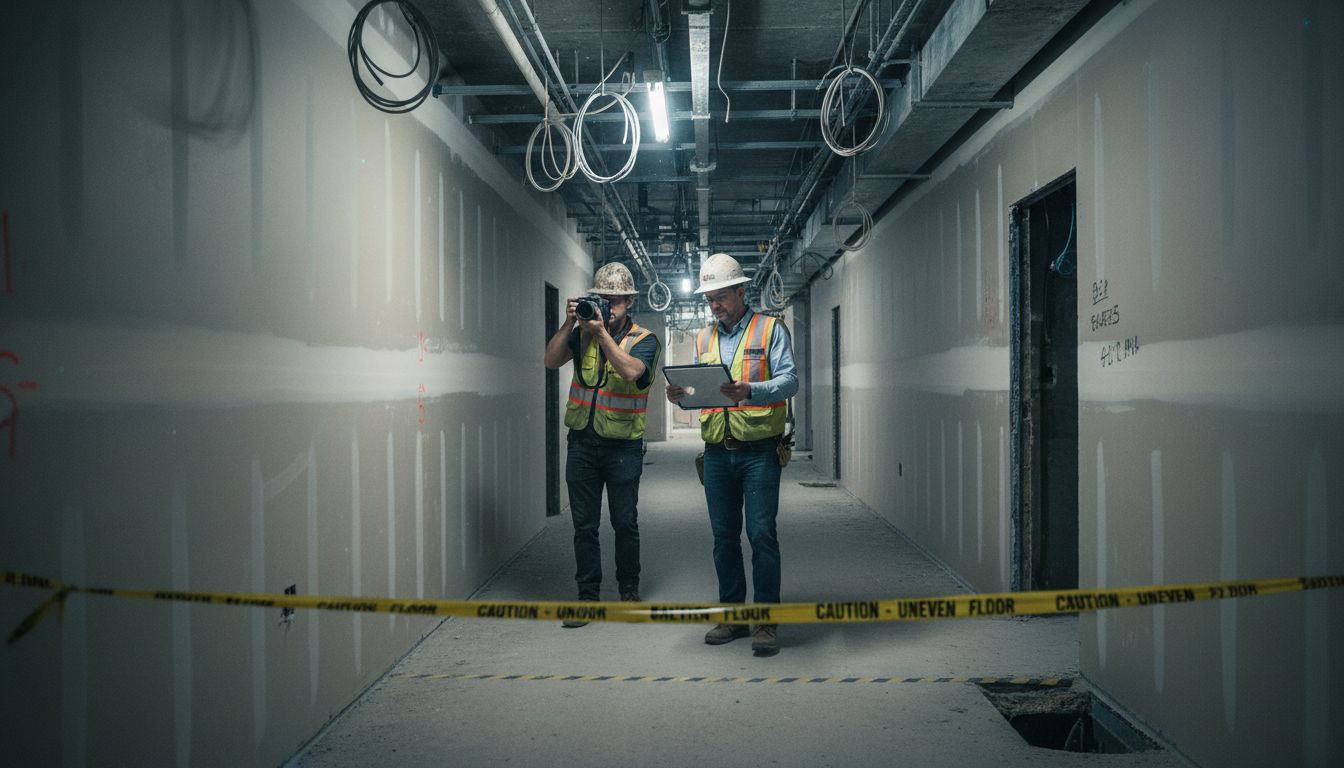
Documentation represents a critical phase of the site inspection process. After completing the physical assessment, inspectors compile detailed reports that outline findings, potential risks, code compliance status, and recommended corrective actions. These reports serve as official records that can impact project approvals, insurance requirements, and future maintenance strategies. The documentation must be precise, including photographic evidence, measurements, technical observations, and clear recommendations for addressing any identified issues or potential improvements.
Pro Tip: Request a comprehensive digital copy of the inspection report with high-resolution images and specific recommendations to maintain a thorough record of your project’s technical evaluation and compliance status.
Compare how key stakeholders contribute to effective site inspections:
| Stakeholder | Key Contribution | Impact on Project |
|---|---|---|
| Inspector | Technical assessment | Ensures compliance |
| Project Manager | Coordination, scheduling | Streamlines workflow |
| Contractor | Implements recommendations | Improves site quality |
| Regulatory Official | Certifies final approval | Enables legal operation |
Legal Requirements Under Florida Codes and Laws
Florida maintains rigorous legal standards for construction and site inspections, with comprehensive building code regulations designed to protect public safety and ensure structural integrity. The Florida Building Code provides a detailed framework that mandates specific inspection requirements for residential, commercial, and municipal construction projects. These regulations cover everything from initial site preparation to final occupancy, with strict protocols for documenting and verifying compliance at each critical stage of development.
The legal landscape for site inspections in Florida is particularly complex due to the state’s unique environmental challenges. Specialized regulations address hurricane resistance, flood mitigation, and structural durability specific to coastal and subtropical environments. Local jurisdictions often implement additional requirements beyond state-level codes, particularly in high-risk areas prone to environmental stress. Contractors and property owners must navigate a multilayered regulatory environment that includes state statutes, local ordinances, and specific building district requirements, making professional guidance essential for successful project completion.
Penalties for non-compliance can be severe, ranging from stop-work orders and significant financial fines to potential legal action and mandatory reconstruction. The law requires licensed professionals to conduct thorough inspections and certify that all aspects of construction meet or exceed established standards. This includes detailed documentation of structural elements, mechanical systems, electrical configurations, and adherence to safety protocols. Milestone inspections are particularly critical for complex projects, with special emphasis on structural integrity for buildings three stories or higher, especially in coastal and hurricane-prone regions.
Pro Tip: Maintain a comprehensive digital file of all inspection documents, permits, and compliance certificates to protect yourself legally and facilitate smooth project progression.
Critical Roles, Risks, and Liability for Owners
Property owners in Florida face complex legal obligations and substantial financial risks related to site inspections, with critical responsibilities for maintaining structural integrity that extend far beyond simple property management. The legal framework places significant accountability on owners to proactively identify, document, and address potential structural vulnerabilities before they escalate into serious safety concerns or catastrophic failures. This requirement is particularly stringent in coastal and hurricane-prone regions where environmental stressors can rapidly compromise building systems.
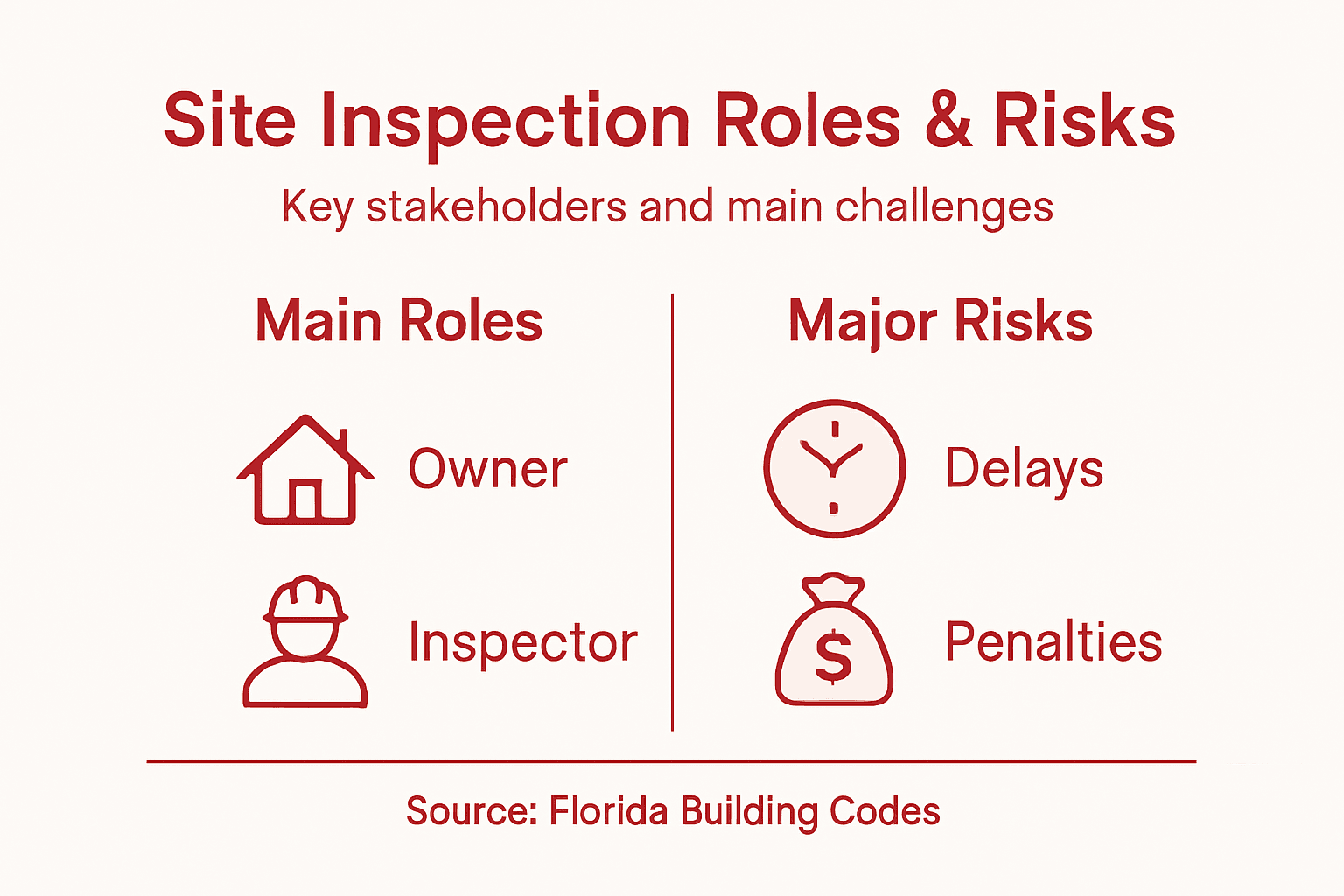
The potential liabilities for non-compliance are extensive and can include severe financial penalties, legal actions, and potential forced property remediation. Owners must engage licensed professionals to conduct thorough inspections, maintain comprehensive documentation, and promptly address any identified structural or safety issues. Special attention is required for aging structures, particularly multi-story condominiums and commercial buildings, where milestone inspections become crucial for preventing potential catastrophic failures. Insurance providers increasingly scrutinize these inspection records, potentially impacting coverage terms and premium rates based on the property’s documented maintenance and safety history.
Navigating these complex legal requirements demands a proactive and systematic approach. Owners must develop a comprehensive inspection strategy that includes regular assessments, detailed record-keeping, and immediate action on recommended repairs. This involves working closely with licensed engineers, maintaining up-to-date documentation, and understanding the specific regulatory requirements that apply to their particular type of property. The financial stakes are significant, with potential consequences ranging from substantial fines and increased insurance costs to legal liability for accidents or structural failures that could have been prevented through proper inspection and maintenance.
Pro Tip: Create a dedicated digital file system for all inspection reports, maintenance records, and compliance certificates to streamline documentation and protect yourself from potential legal challenges.
Common Pitfalls and How to Avoid Inspection Delays
Construction projects in Florida frequently encounter inspection delays due to a variety of preventable issues, with key challenges requiring proactive management. Documentation gaps, incomplete compliance preparations, and miscommunication between stakeholders represent the most common obstacles that can significantly extend project timelines. Contractors must anticipate potential inspection requirements well in advance, developing comprehensive strategies that address potential regulatory scrutiny and technical compliance challenges specific to Florida’s complex building environment.
Technical preparation represents a critical component of avoiding inspection delays. This involves maintaining meticulous records, ensuring all structural elements meet precise code requirements, and conducting internal pre-inspections that identify potential issues before official regulatory assessments. Specific areas of focus include verifying electrical system configurations, structural integrity documentation, mechanical system installations, and compliance with local environmental and safety regulations. Successful projects implement robust quality control processes that systematically address potential compliance gaps before official inspections are conducted.
Communication and coordination among project stakeholders emerge as fundamental strategies for minimizing inspection setbacks. This requires establishing clear communication protocols between contractors, engineers, inspectors, and property owners. Creating standardized documentation processes, maintaining transparent project records, and developing proactive issue resolution strategies can significantly reduce the likelihood of unexpected delays. Teams must develop a comprehensive understanding of specific inspection requirements, maintain up-to-date compliance documentation, and create contingency plans that allow for swift resolution of any identified technical or regulatory concerns.
Pro Tip: Develop a centralized digital documentation system that tracks all project compliance details, allowing real-time access and immediate response to potential inspection challenges.
Ensure Your Florida Project Meets Every Inspection Standard with Expert Support
The challenge of navigating Florida’s complex site inspection requirements can feel overwhelming. You need precise assessments in architectural, structural, mechanical, electrical, and plumbing domains to guarantee safety and compliance. Faulty documentation or overlooked code details can lead to costly delays, fines, or legal risks. Our engineering services specialize in addressing these exact pain points, offering thorough inspections, detailed reports, and expert guidance to help you avoid common pitfalls and meet all regulatory demands with confidence.
Ready to protect your property investment and move your project forward without unexpected setbacks? Explore comprehensive engineering solutions in the TLE Archives – Texas Licensed Engineers | Residential & Commercial. Visit Florida Licensed Engineers today and secure professional support tailored for Florida’s unique building codes and environmental challenges. Let us help you achieve on-time, compliant project completion with peace of mind.
Frequently Asked Questions
What is a site inspection?
Site inspection is a comprehensive professional assessment of construction projects aimed at evaluating safety, quality, and regulatory compliance. It involves a detailed examination of various elements including structural, electrical, mechanical, and architectural components.
Why are site inspections important?
Site inspections ensure that construction projects comply with strict safety regulations and building codes. They protect property owners and the public by identifying potential risks and ensuring structural integrity before a project is completed.
What types of site inspections are typically conducted in construction projects?
Common types of site inspections include preliminary assessments, foundation inspections, structural integrity checks, mechanical, electrical, and plumbing (MEP) inspections, and final compliance checks. Each type addresses specific phases and technical requirements of the construction process.
How can property owners prepare for site inspections?
Property owners can prepare for site inspections by maintaining meticulous records, ensuring compliance with safety standards, and conducting internal pre-inspections to identify potential issues in advance. Effective communication with licensed professionals and stakeholders is also critical to streamline the inspection process.
Recommended
- Inspection Types Explained: What Florida Projects Need – FloridaLicensedEngineers.com
- Comprehensive Inspection Procedures: Ensuring Florida Compliance – FloridaLicensedEngineers.com
- 7 Essentials for a Complete Construction Documentation List – FloridaLicensedEngineers.com
- 7 Essential Civil Engineering Tips for Florida Developers – FloridaLicensedEngineers.com
- Project Showcase – Lucas Air Conditioning and Heating
