
Inspection Types Explained: What Florida Projects Need
Over 60 percent of inspection failures in Florida stem from unclear requirements or missed regulations, causing costly delays for many American homeowners and contractors. Understanding exactly which inspection types apply to your project is critical for both legal compliance and peace of mind. This guide demystifies the key inspections every American property owner and construction professional in Florida should recognize, making the process straightforward and your next project more secure.
Table of Contents
- Defining Inspection Types In Construction
- Major Inspection Categories For Florida Projects
- Purpose And Process For Each Inspection Type
- Regulatory Codes Governing Inspections In Florida
- Choosing The Right Inspection For Your Project
- Common Mistakes In Inspection Planning
Key Takeaways
| Point | Details |
|---|---|
| Inspection Types | Different inspections focus on structural, electrical, mechanical, and plumbing systems to ensure safety and compliance. |
| Florida Requirements | Florida projects must adhere to local building codes and regulations, particularly for hurricane-prone areas. |
| Planning Importance | Effective inspection planning reduces delays and compliance issues; proactive strategies are essential for project success. |
| Documentation and Reports | Maintaining detailed inspection reports and documentation is crucial for legal compliance and project integrity. |
Defining Inspection Types in Construction
Construction inspections are structured professional processes designed to assess safety, quality, and regulatory compliance throughout different project phases. Critical compliance checks ensure buildings meet essential safety standards and legal requirements, serving as crucial verification mechanisms for construction projects.
These inspections typically encompass multiple domains, including structural integrity, electrical systems, plumbing, mechanical installations, and overall building code adherence. Each inspection type focuses on specific technical requirements, examining everything from foundational strength to precise installation techniques. Inspectors are trained professionals who systematically evaluate construction work against predefined standards, identifying potential issues before they become significant problems.
The primary goals of construction inspections include preventing safety hazards, ensuring regulatory compliance, maintaining quality control, and protecting property owners and occupants. By conducting thorough systematic construction assessments, inspectors help mitigate risks, reduce potential rework costs, and maintain transparency throughout the building process. These evaluations are not just bureaucratic checkpoints but critical safeguards that protect public safety and investment quality.
Pro tip: Always request detailed inspection reports and maintain comprehensive documentation of each inspection stage to protect your project’s integrity and legal compliance.
Major Inspection Categories for Florida Projects
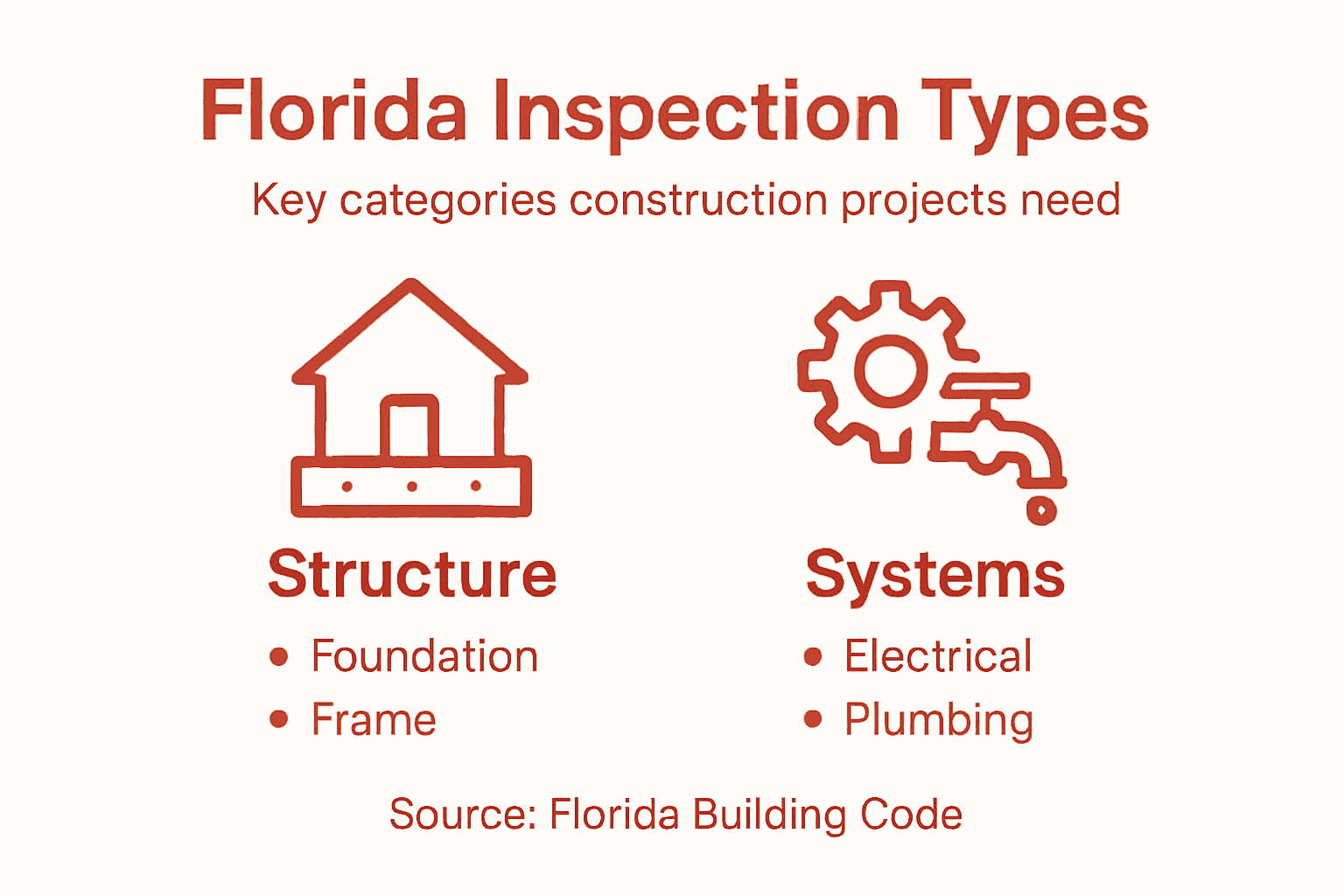
Florida construction projects are subject to multiple rigorous inspection requirements across various sectors, encompassing residential and commercial developments. Building departments play a critical role in regulating these inspections, ensuring strict adherence to the Florida Building Code and local regulatory standards. The primary inspection categories include building, electrical, mechanical, plumbing, and specialized structural assessments that address the state’s unique environmental challenges.
Specific inspection types are tailored to Florida’s distinctive construction landscape, particularly in coastal and high-velocity hurricane zones. These include comprehensive evaluations of structural integrity, wind resistance, flood mitigation, and critical safety systems. Milestone structural inspections are particularly notable for condominiums and cooperative buildings, with mandatory assessments required at 25 or 30 years, especially for structures near coastal regions. Local jurisdictions maintain the flexibility to implement even more stringent inspection protocols to address region-specific environmental risks.
The inspection process in Florida is designed to be comprehensive and multifaceted, covering everything from initial foundation work to final system installations. Inspectors are trained to evaluate electrical systems, plumbing networks, mechanical installations, and overall structural compliance. Each inspection category serves a specific purpose: protecting public safety, ensuring construction quality, verifying regulatory compliance, and mitigating potential risks associated with Florida’s challenging construction environment.
Pro tip: Maintain a detailed record of all inspection reports and schedule required milestone inspections well in advance to prevent potential delays or compliance issues in your Florida construction project.
Purpose and Process for Each Inspection Type
Construction inspections in Florida represent a systematic approach to ensuring project safety, quality, and regulatory compliance through detailed engineering assessments. Each inspection type follows a precise protocol designed to evaluate specific aspects of construction, addressing potential risks and maintaining high standards of building performance.
The primary inspection categories include foundational, structural, electrical, mechanical, and plumbing inspections. Foundational inspections focus on soil conditions, reinforcement placement, and concrete quality, ensuring the structural base meets engineering specifications. Structural inspections examine framing, load-bearing elements, and overall building integrity, with particular attention to wind resistance and seismic considerations unique to Florida’s environmental challenges. Electrical inspections verify proper wiring, circuit installations, and compliance with safety codes, while mechanical inspections assess HVAC systems, ventilation, and equipment installations.
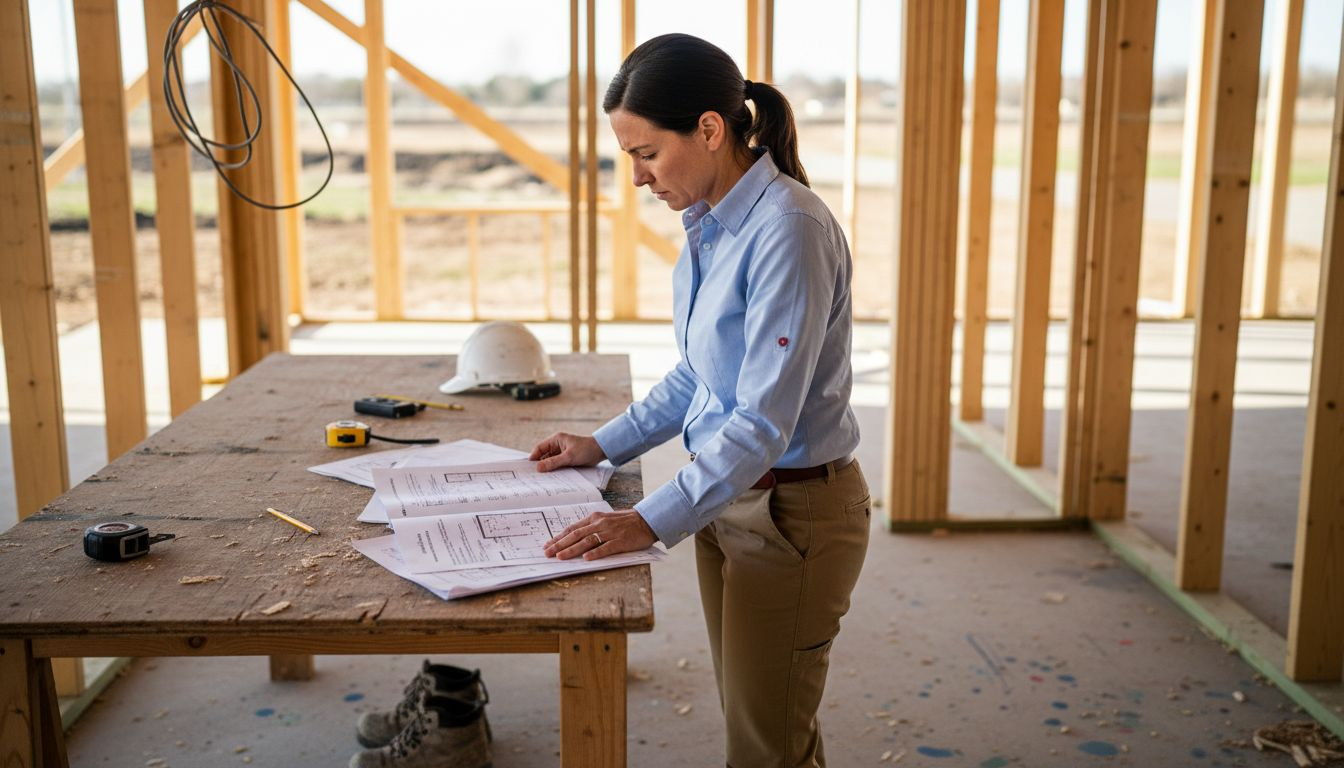
Plumbing inspections represent another critical category, evaluating pipe installations, drainage systems, water supply networks, and fixture placements. These assessments ensure water safety, prevent potential leaks, and confirm adherence to local and state plumbing regulations. Inspectors use specialized tools and techniques to thoroughly examine each system, conducting both visual inspections and technical tests to identify potential issues before they become significant problems. The comprehensive nature of these inspections helps prevent costly repairs, ensures occupant safety, and maintains the long-term reliability of construction projects.
Here’s a summary of common construction inspection types and their distinct focus areas:
| Inspection Type | Main Focus | Typical Evaluations |
|---|---|---|
| Foundational | Soil and base integrity | Soil conditions, rebar, concrete quality |
| Structural | Building stability | Framing, load-bearing, wind resistance |
| Electrical | System safety | Wiring, circuits, code compliance |
| Mechanical | Climate and air systems | HVAC, ventilation, equipment installs |
| Plumbing | Water and waste systems | Piping, drainage, fixtures |
Pro tip: Schedule inspections in advance and maintain a detailed checklist of requirements for each inspection type to streamline the process and avoid potential delays or compliance issues.
Regulatory Codes Governing Inspections in Florida
Florida’s construction inspection regulations are comprehensively outlined in the Florida Building Code and statutes, establishing rigorous standards for building safety, quality, and regulatory compliance. These regulations mandate that all construction projects undergo systematic inspections to ensure they meet precise technical and safety requirements specific to the state’s unique environmental challenges.
The regulatory framework requires all building code administrators and inspectors to be licensed professionals in their respective categories, with clearly defined responsibilities for plan reviews and on-site inspections. Specific statutes like Senate Bill 4-D introduce additional requirements for milestone inspections, particularly for aging structures and buildings in hurricane-prone zones. Local jurisdictions maintain the authority to implement supplementary regulations that address region-specific construction risks, creating a multi-layered approach to ensuring public safety and structural integrity.
Key regulatory provisions cover multiple inspection domains, including structural assessments, electrical systems, plumbing installations, mechanical systems, and fire protection. These regulations mandate comprehensive documentation, require inspectors to conduct thorough evaluations without external interference, and establish clear penalties for non-compliance. The intricate regulatory framework reflects Florida’s commitment to maintaining high construction standards that protect both property owners and public safety, adapting to the state’s dynamic environmental conditions and evolving building technologies.
Pro tip: Consult with a licensed engineering professional who specializes in local building codes to ensure your project meets all current regulatory requirements and inspection standards.
Choosing the Right Inspection for Your Project
Selecting the appropriate inspection for your Florida construction project requires careful consideration of the project’s specific characteristics and comprehensive inspection protocols. Different project types demand unique inspection approaches, ranging from residential renovations to complex commercial developments, each with distinct regulatory requirements and technical evaluations.
The selection process involves analyzing several critical factors, including project scale, construction type, location, and potential environmental challenges. Residential projects typically require standard inspections covering structural, electrical, plumbing, and mechanical systems, while commercial developments may need more extensive evaluations. Coastal and hurricane-prone zones demand additional specialized inspections focused on wind resistance, flood mitigation, and structural integrity specific to Florida’s challenging environmental conditions.
Key considerations for choosing the right inspection include understanding the specific building codes applicable to your project, assessing potential risk factors, and identifying the precise technical requirements for your construction type. Factors such as building age, location, construction materials, and intended use will significantly influence the inspection requirements. Professional engineers can provide tailored guidance, helping you navigate the complex landscape of inspection protocols and ensuring your project meets all necessary regulatory standards and safety requirements.
Pro tip: Consult with a licensed Florida engineer early in your project planning to determine the most appropriate and comprehensive inspection strategy for your specific construction needs.
Common Mistakes in Inspection Planning
Construction projects frequently encounter critical challenges during inspection planning, with common inspection errors undermining project success. Inadequate pre-inspection coordination represents one of the most significant pitfalls, where miscommunication between owners, contractors, and inspectors can lead to costly oversights, rework, and potential regulatory complications.
One prevalent mistake involves neglecting up-to-date regulatory compliance, which can result in immediate inspection failures and potential legal consequences. Contractors often underestimate the complexity of local building codes, particularly in Florida’s dynamic regulatory environment. Other critical errors include performing inspections prematurely before proper project readiness, insufficient documentation management, and poor communication channels that create unnecessary project delays and increased expenses.
Effective inspection planning demands proactive strategies that address potential vulnerabilities before they become problematic. This includes developing comprehensive pre-inspection checklists, maintaining meticulous digital record-keeping, engaging early with local permitting offices, and fostering clear communication among all project stakeholders. Understanding the nuanced requirements specific to different construction types and locations is crucial, as each project presents unique challenges that require tailored inspection approaches.
The table below compares the impact of poor versus effective inspection planning on construction projects:
| Planning Quality | Project Impact | Common Result |
|---|---|---|
| Poor inspection prep | Increased delays, higher costs | Regulatory compliance issues |
| Effective inspection prep | Smooth scheduling, reduced costs | Faster project approvals |
Pro tip: Create a detailed project-specific inspection readiness checklist and schedule a pre-inspection consultation with a licensed engineer to identify and mitigate potential compliance risks.
Ensure Your Florida Construction Project Meets Every Inspection Requirement
Navigating the complex landscape of Florida construction inspections can feel overwhelming. You need to prevent costly delays and ensure your project passes foundational, structural, electrical, plumbing, and mechanical inspections with confidence. The detailed processes and strict regulatory codes outlined in the article highlight the importance of expert guidance and thorough preparation at every phase.
Our team at Florida Licensed Engineers specializes in providing comprehensive engineering services tailored to Florida’s unique inspection demands. From residential to commercial projects, we offer precise architectural, structural, mechanical, electrical, and plumbing plans supported by expert forensic investigations and detailed reports. Partner with us to streamline milestone inspections, meet all local building codes, and avoid the common mistakes that lead to costly rework or compliance issues. Explore our solutions further in the TLE Archives – Texas Licensed Engineers | Residential & Commercial to see how our expertise drives success. Take control of your inspection planning today and secure a smoother, faster approval process for your Florida project.
Frequently Asked Questions
What are the primary types of inspections required for Florida construction projects?
Florida construction projects typically require foundational, structural, electrical, mechanical, and plumbing inspections to ensure safety and compliance with regulatory standards.
Why are milestone inspections important in Florida construction?
Milestone inspections are crucial for identifying structural integrity and safety within aging buildings, especially in hurricane-prone areas. They are mandated at specific intervals, such as 25 or 30 years, to ensure ongoing compliance and safety.
How can I ensure compliance with Florida’s building codes during inspections?
To ensure compliance, engage with a licensed engineer early in the planning process, maintain thorough documentation, and stay updated on local building codes and regulations specific to your project type.
What common mistakes should I avoid during the inspection planning process?
Common mistakes include inadequate coordination between project stakeholders, neglecting regulatory updates, performing inspections prematurely, and poor documentation management. Address these proactively to prevent delays and costly rework.
Recommended
- Comprehensive Inspection Procedures: Ensuring Florida Compliance – FloridaLicensedEngineers.com
- What Is Construction Phase Inspection and Why It Matters – FloridaLicensedEngineers.com
- Complete Guide to Inspections for Commercial Projects – FloridaLicensedEngineers.com
- How to Conduct Construction Inspections Effectively – FloridaLicensedEngineers.com
- How To Prep Pool For Resurfacing For Lasting Results
