
Why Accurate Blueprints Matter for Florida Projects
Project delays and expensive change orders too often stem from misinterpreted or incomplete plans. For Florida contractors, accurate blueprints are the backbone of every successful build, providing not just clear drawings but detailed instructions and legal clarity across architectural and engineering disciplines. When blueprints precisely communicate design intent and code requirements, you can avoid costly revisions and keep your projects moving forward with full confidence.
Table of Contents
- Defining Accurate Blueprints In Construction
- Blueprint Types Across Engineering Disciplines
- Key Features Ensuring Code Compliance
- Common Pitfalls From Inaccurate Plans
- Legal, Financial, And Safety Risks For Contractors
Key Takeaways
| Point | Details |
|---|---|
| Accurate Blueprints are Essential | They serve as the foundational documents detailing all aspects of a construction project and establish clear expectations between teams. |
| Types of Blueprints Vary by Discipline | Each engineering discipline has specialized blueprints tailored to its specific requirements, ensuring precise technical communication. |
| Code Compliance is Critical | Meticulous attention to detail in documentation helps ensure all designs meet safety and performance standards, minimizing legal and safety risks. |
| Inaccurate Plans Lead to Risks | Poor blueprints can cause communication breakdowns, financial overruns, and structural integrity issues, underscoring the need for rigorous review processes. |
Defining Accurate Blueprints in Construction
Blueprints represent the comprehensive visual roadmap for construction projects, serving as the critical communication tool between architects, engineers, and contractors. These technical documents are far more than simple drawings – they are precise engineering instructions that translate design concepts into executable plans.
In the construction industry, accurate blueprints are the foundational documents that detail every aspect of a building project. Detailed architectural plans provide precise graphical representations that specify construction methods, materials, and quality standards. They communicate critical information including:
- Exact structural dimensions
- Material specifications
- Electrical and mechanical system layouts
- Load-bearing requirements
- Detailed construction techniques
Modern blueprints have evolved dramatically from their original hand-drawn formats. Today’s digital blueprints utilize advanced computer-aided design (CAD) technologies to generate incredibly precise technical drawings with multiple layers of information. Precise measurement symbols now represent complex architectural intent with remarkable accuracy.
The primary purpose of blueprints extends beyond mere visual representation. They function as a legally binding contract between design professionals and construction teams, establishing clear expectations and standards for project execution. Inaccurate or incomplete blueprints can lead to significant project delays, budget overruns, and potential structural complications.
Pro tip: Always request a comprehensive blueprint review from a licensed engineer before commencing any construction project to identify potential design discrepancies and minimize future risks.
Blueprint Types Across Engineering Disciplines
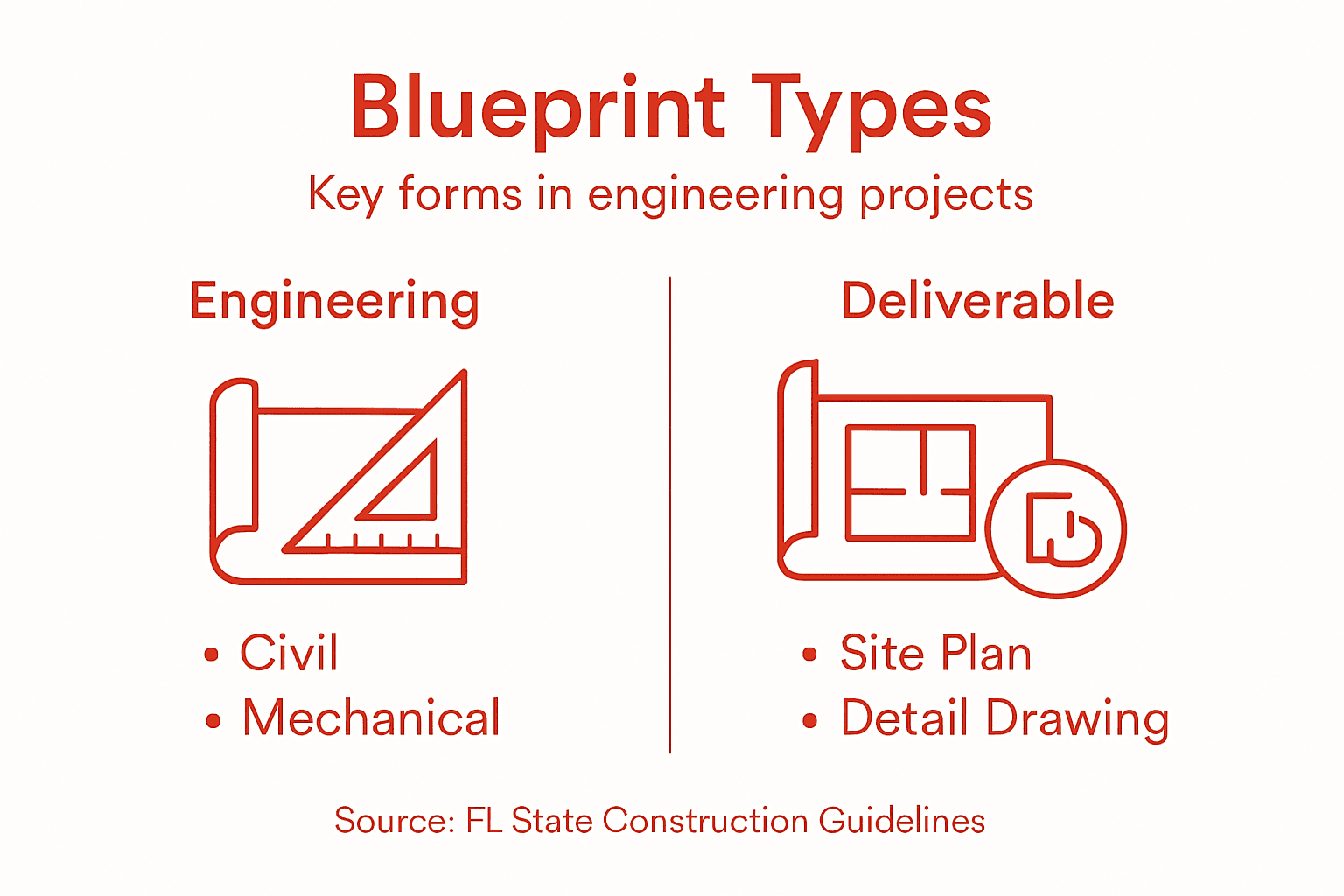
Engineering blueprints represent a sophisticated visual language that varies dramatically across different technical disciplines. Diverse engineering drawings serve unique purposes, translating complex design concepts into actionable technical instructions for professionals.
Each engineering discipline develops specialized blueprint types tailored to its specific requirements:
- Mechanical Engineering Blueprints: Focus on machine components, mechanical systems, and precise manufacturing specifications
- Civil Engineering Blueprints: Detail infrastructure designs, including roads, bridges, and municipal structures
- Electrical Engineering Blueprints: Illustrate wiring diagrams, electrical system layouts, and power distribution networks
- Structural Engineering Blueprints: Emphasize load-bearing calculations, structural integrity, and architectural support systems
- Chemical Engineering Blueprints: Showcase process flow diagrams, equipment specifications, and industrial system configurations
Engineering discipline blueprints communicate complex technical information through standardized graphical representations. These documents serve as critical communication tools, ensuring precise translation of design intent across multiple professional teams and project stages.
The complexity of these blueprint types reflects the intricate nature of modern engineering. Each drawing type requires specialized knowledge, representing not just visual information, but comprehensive technical specifications that guide construction, manufacturing, and implementation processes across various technical domains.
Pro tip: Request comprehensive blueprint reviews from discipline-specific licensed engineers to ensure complete understanding of technical design nuances and potential implementation challenges.
Here’s a summary that distinguishes blueprint types across engineering disciplines:
| Discipline | Common Blueprint Focus | Typical Team Involved | Typical Deliverable |
|---|---|---|---|
| Mechanical Engineering | Machine layouts | Mechanical engineers & draftsmen | Assembly drawings |
| Civil Engineering | Road and bridge layouts | Civil engineers & surveyors | Site plans and profiles |
| Electrical Engineering | Wiring diagrams | Electrical engineers & contractors | Circuit schematics |
| Structural Engineering | Load and support calculations | Structural engineers & architects | Framing and section plans |
| Chemical Engineering | Process flow representation | Chemical engineers & operators | Piping and instrumentation |
Key Features Ensuring Code Compliance
Code compliance represents a critical foundation for any construction project, requiring meticulous attention to detail and comprehensive technical documentation. Comprehensive plan reviews systematically verify that building designs meet all relevant safety and performance standards across multiple engineering disciplines.
Key features that ensure robust code compliance include:
- Detailed Material Specifications: Precise documentation of construction materials and their intended applications
- Structural Integrity Calculations: Comprehensive load-bearing analysis and structural design requirements
- Safety System Documentation: Explicit representations of fire protection, emergency egress, and life safety systems
- Energy Efficiency Specifications: Detailed plans demonstrating compliance with current energy conservation standards
- Accessibility Requirements: Comprehensive documentation ensuring compliance with Americans with Disabilities Act (ADA) guidelines
Critical safety features must be explicitly represented in blueprint documentation, including specific requirements for:
- Fire door placements
- Emergency exit routes
- Structural reinforcement zones
- Electrical system safety interfaces
- Mechanical system load specifications
Professional blueprint reviews involve rigorous cross-checking of design elements against current building codes, identifying potential compliance gaps before construction begins. This proactive approach minimizes potential legal and safety risks, ensuring that every aspect of the project meets or exceeds regulatory standards.
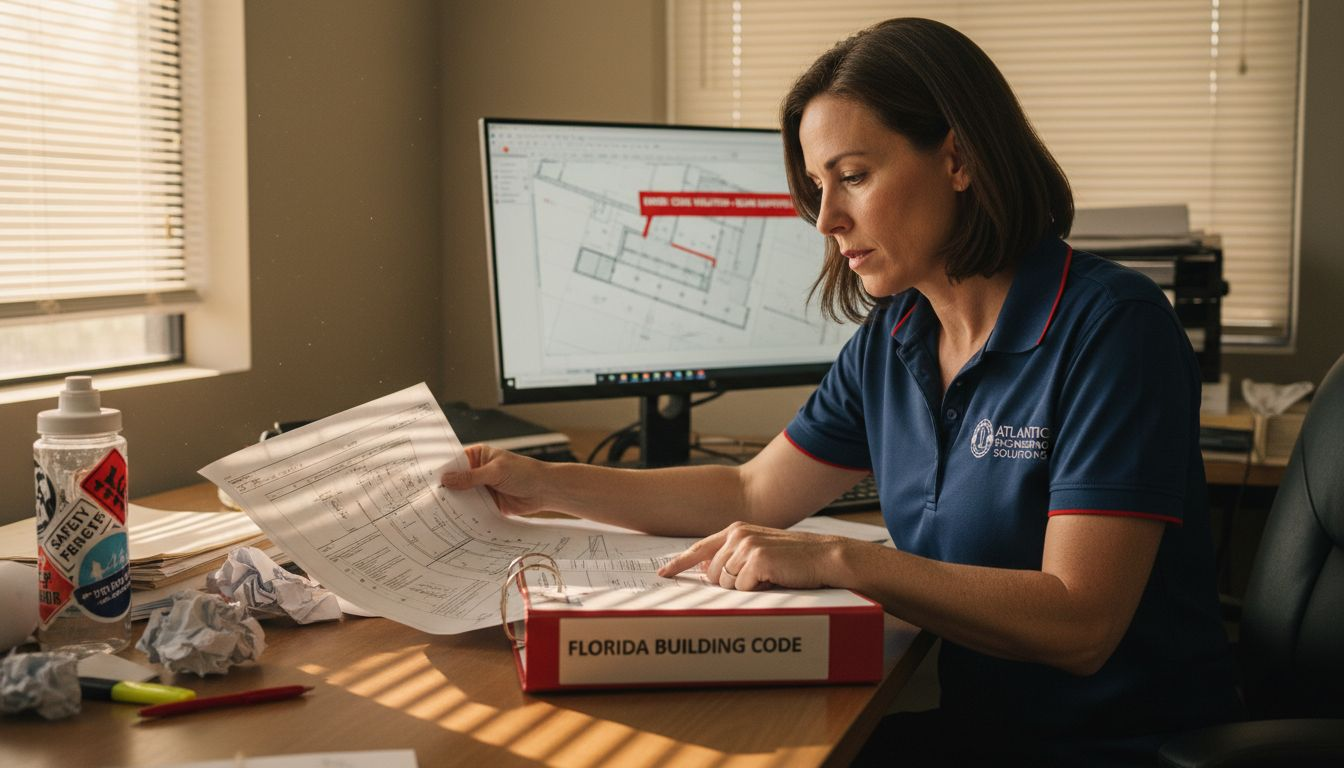
Pro tip: Engage a licensed engineer to conduct a comprehensive code compliance review before finalizing your blueprint to identify and address potential regulatory challenges early in the design process.
Common Pitfalls From Inaccurate Plans
Inaccurate blueprints represent a significant risk for construction projects, potentially leading to catastrophic failures and substantial financial losses. Construction data problems can create cascading challenges that undermine project integrity and professional credibility.
The most critical pitfalls arising from inaccurate plans include:
- Communication Breakdowns: Misaligned expectations between design and construction teams
- Financial Overruns: Unexpected costs from design modifications and rework
- Structural Integrity Risks: Potential compromises in building safety and performance
- Regulatory Non-Compliance: Failure to meet local building codes and standards
- Project Timeline Disruptions: Significant delays caused by repeated corrections
Structural design errors can lead to severe consequences, including potential building collapses. Specific risks involve:
- Underestimated load-bearing calculations
- Misinterpreted material specifications
- Incomplete mechanical system designs
- Inadequate electrical infrastructure planning
- Overlooked safety system requirements
The complexity of modern construction demands absolute precision. Even minor discrepancies in blueprint documentation can trigger substantial ripple effects, transforming what seems like a small error into a significant project-threatening challenge.
Pro tip: Implement a rigorous multi-stage review process with independent engineering professionals to systematically validate blueprint accuracy before final approval.
The following table contrasts blueprint review stages and the value each offers:
| Review Stage | Primary Objective | Responsible Party | Project Benefit |
|---|---|---|---|
| Preliminary Review | Catch major design inconsistencies | Architect or lead engineer | Prevents early revisions |
| Discipline Review | Verify each technical aspect | Specialized engineers | Reduces scope for errors |
| Compliance Review | Ensure regulatory adherence | Code compliance experts | Minimizes legal and safety risks |
| Final Approval | Validate complete project readiness | Independent reviewer | Safeguards project integrity |
Legal, Financial, and Safety Risks for Contractors
Contractors operate in a complex landscape where legal and financial risks can emerge from the smallest documentation errors. Contractors errors and omissions represent significant potential threats that can compromise entire project viability and professional reputation.
The most critical risks confronting contractors include:
- Legal Liability: Potential lawsuits from design inconsistencies
- Financial Exposure: Unexpected costs from design rework
- Professional Reputation Damage: Loss of future contract opportunities
- Regulatory Penalties: Fines for non-compliance with building codes
- Insurance Complications: Increased premium risks and coverage challenges
Building Information Modeling risks introduce additional complexity to project documentation. Specific challenges involve:
- Intellectual property disputes
- Contract interpretation conflicts
- Data management inconsistencies
- Liability allocation uncertainties
- Compliance verification difficulties
Modern construction demands unprecedented levels of precision. A single overlooked detail can trigger cascading legal and financial consequences that extend far beyond immediate project parameters, potentially threatening an entire business’s long-term sustainability.
Pro tip: Invest in comprehensive Errors and Omissions insurance and maintain meticulous documentation processes to mitigate potential legal and financial risks.
Ensure Your Florida Projects Succeed with Precise Engineering Blueprints
The article highlights the critical challenges you face with inaccurate blueprints including costly rework, compliance risks, and construction delays. These issues can threaten your project’s safety and your professional reputation. At Florida Licensed Engineers, we understand the vital role that detailed and code-compliant plans play in preventing these pitfalls. Our expert services cover architectural, structural, mechanical, electrical, and plumbing blueprints designed to meet Florida’s exacting standards.

Don’t risk costly errors or legal complications on your next residential or commercial project. Partner with experienced engineers who provide thorough blueprint development, forensic investigation, and permitting expediter services. Visit our engineering services page now and secure a seamless project start. Act today to ensure your plans pass every code review and inspection with confidence.
Frequently Asked Questions
Why are accurate blueprints essential for construction projects?
Accurate blueprints serve as the foundational documents for construction, detailing every aspect of a project. They prevent miscommunication, minimize errors, and ensure compliance with safety and building codes.
What types of blueprints are commonly used in different engineering disciplines?
Different engineering disciplines use specialized blueprints such as mechanical blueprints for machine components, civil blueprints for infrastructure, electrical blueprints for wiring diagrams, structural blueprints for load analysis, and chemical blueprints for process designs.
How can inaccuracies in blueprints affect a construction project?
Inaccurate blueprints can lead to significant problems including communication breakdowns, financial overruns, risks to structural integrity, regulatory non-compliance, and project delays, potentially threatening the overall success of the project.
What steps can be taken to ensure code compliance in blueprints?
To ensure code compliance, engage licensed engineers for comprehensive reviews of material specifications, structural calculations, safety system documentation, energy efficiency plans, and accessibility requirements before finalizing blueprints.
Recommended
- Blueprints Explained: Transforming Florida Construction – Florida Licensed Engineers
- Complete Guide to the Role of Blueprints – FloridaLicensedEngineers.com
- Complete Guide to the Role of Blueprints – Florida Licensed Engineers
- Blueprint Symbols Meaning: Precision in Florida Projects – FloridaLicensedEngineers.com
- Scanner laser 3D : l’outil incontournable pour la numérisation du bâtiment – DTM3D


