
Building Systems Coordination for Florida Projects
Delays and rework can quickly escalate on Florida projects when building systems do not align from day one. Contractors and architects face mounting pressure to coordinate architectural and MEP elements, comply with evolving regulations, and deliver projects on time. Three-dimensional coordination technologies now enable early clash detection and smoother integration, helping Florida professionals resolve design issues before construction begins and avoid costly surprises.
Table of Contents
- Defining Building Systems Coordination
- Integrating Architectural and MEP Systems
- Managing Civil and Site Engineering Alignment
- Regulatory Compliance and Permitting Challenges
- Common Coordination Pitfalls and How to Avoid Them
Key Takeaways
| Point | Details |
|---|---|
| Importance of Coordination | Effective building systems coordination minimizes conflicts, delays, and costly changes during construction. |
| Role of BIM | Utilizing Building Information Modeling (BIM) enhances early detection of design issues and facilitates interdisciplinary collaboration. |
| Regulatory Awareness | Navigating local building codes and regulations is crucial for compliance and successful project implementation. |
| Common Pitfalls | Establishing clear roles and maintaining effective communication are vital to prevent common coordination challenges and mistakes. |
Defining Building Systems Coordination
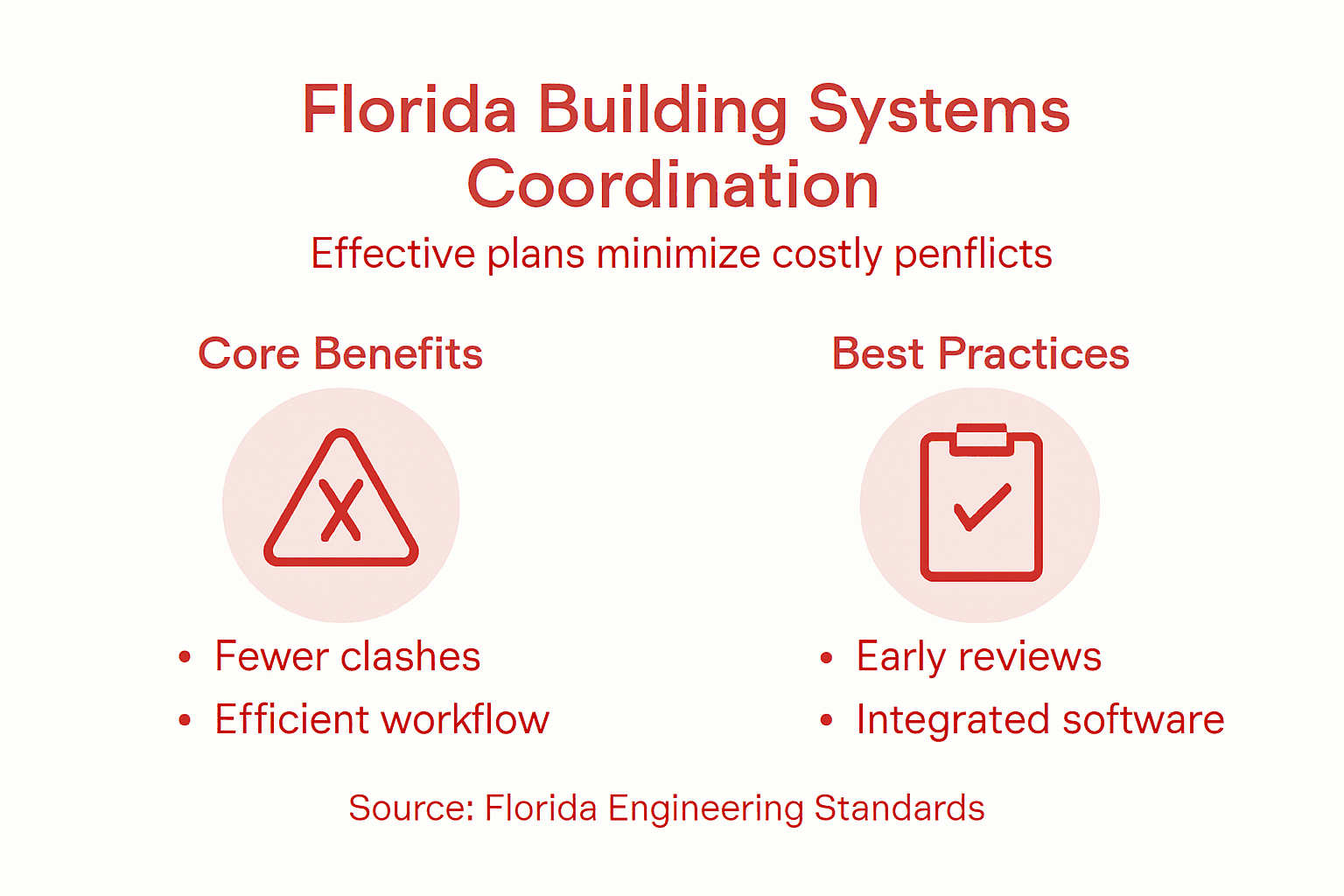
Building systems coordination is a complex process that ensures seamless integration of architectural, mechanical, electrical, and plumbing (MEP) systems during design and construction. Three-dimensional coordination technologies have revolutionized how engineers and architects manage potential conflicts before construction begins.
The core objective of building systems coordination involves identifying and resolving spatial conflicts early in the project lifecycle. Key aspects of this process include:
- Identifying potential design discrepancies
- Detecting spatial interference between building systems
- Preventing costly construction delays
- Reducing requests for information (RFIs)
- Minimizing change orders during construction
Building Information Modeling (BIM) plays a critical role in modern systems coordination. Research investigating design coordination reveals that advanced BIM processes can systematically map and resolve complex design challenges before physical construction begins.
Successful building systems coordination requires collaboration between multiple disciplines. Architectural, structural, mechanical, electrical, and plumbing professionals must work together to ensure each system integrates smoothly without creating conflicts or inefficiencies. This interdisciplinary approach helps prevent expensive rework and construction complications.
The following table highlights the unique contributions of key building disciplines to successful systems coordination:
| Discipline | Main Focus Area | Integration Role |
|---|---|---|
| Architecture | Space planning, aesthetics | Defines system layout |
| Structural Engineering | Load management, stability | Supports MEP installation |
| Mechanical Engineering | HVAC, equipment placement | Maintains comfort, efficiency |
| Electrical Engineering | Power distribution, lighting | Ensures reliable operation |
| Plumbing Engineering | Water, waste, piping design | Facilitates utility flow |
Coordination Strategies typically involve:
- Early stage clash detection
- Continuous interdisciplinary communication
- Digital modeling and simulation
- Regular design review meetings
- Comprehensive documentation of system interactions
Pro tip: Invest in comprehensive BIM software and prioritize early, collaborative design reviews to minimize potential system conflicts and reduce overall project costs.
Here is a summary comparing digital modeling solutions used in building systems coordination:
| Modeling Solution | Core Benefit | Typical Use Case |
|---|---|---|
| 3D BIM Software | Early conflict detection | Large-scale design reviews |
| Simulation Tools | System performance analysis | Energy and airflow studies |
| Collaboration Platforms | Real-time communication | Interdisciplinary meetings |
Integrating Architectural and MEP Systems
Integrating architectural and Mechanical, Electrical, and Plumbing (MEP) systems is a critical aspect of modern building design that requires comprehensive understanding and strategic collaboration. Sustainable design approaches have become increasingly important in creating efficient and environmentally responsible building infrastructures.
The integration process involves multiple complex considerations that span across different engineering disciplines:
- Ensuring spatial compatibility between architectural elements and MEP systems
- Minimizing interference and potential conflicts
- Optimizing energy efficiency and performance
- Maintaining aesthetic design integrity
- Complying with local building codes and regulations
Interdisciplinary Collaboration is crucial in successful MEP system integration. Construction engineering principles emphasize the need for comprehensive knowledge sharing between architectural and engineering teams to bridge potential knowledge gaps.
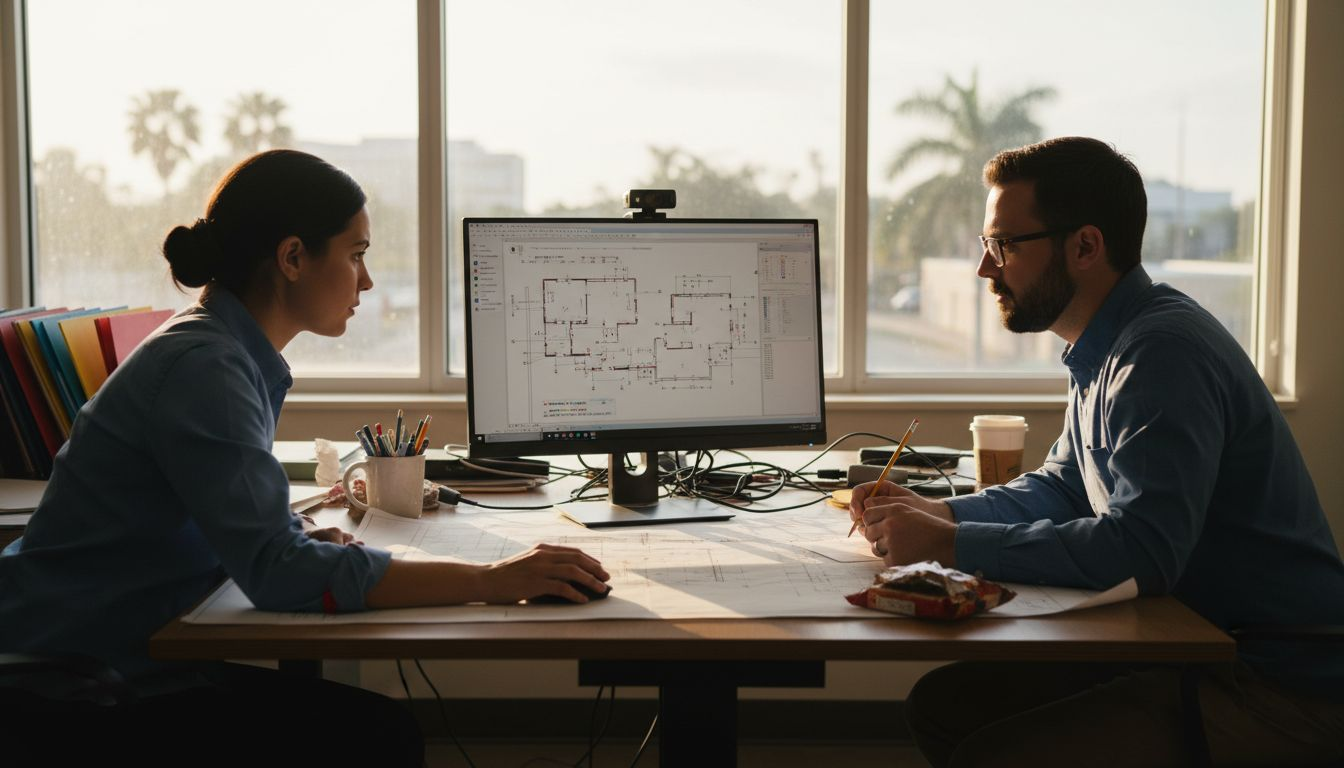
MEP systems are not merely functional components but integral parts of a building’s overall design ecosystem. They directly impact energy consumption, operational costs, and environmental sustainability. Effective integration requires early-stage planning, continuous communication, and advanced digital modeling techniques to anticipate and resolve potential conflicts.
Key Integration Strategies include:
- Early collaborative design workshops
- Comprehensive 3D BIM modeling
- Iterative clash detection processes
- Detailed system performance simulations
- Holistic sustainability assessments
Pro tip: Implement integrated design software and schedule frequent interdisciplinary review meetings to ensure seamless MEP and architectural system coordination.
Managing Civil and Site Engineering Alignment
Managing civil and site engineering alignment requires a comprehensive approach that integrates multiple technical and operational considerations. Construction management strategies play a critical role in ensuring seamless project coordination and successful implementation.
Effective site engineering alignment involves several key components:
- Precise site assessment and preliminary investigations
- Comprehensive resource allocation planning
- Comprehensive stakeholder communication protocols
- Integrated technical and operational workflow management
- Continuous performance monitoring and adaptive strategies
Project Management Principles are fundamental to successful civil engineering coordination. Efficient resource organization ensures that construction projects meet their strategic objectives while maintaining operational efficiency.
Successful site engineering alignment demands a holistic approach that goes beyond traditional technical considerations. Engineers must develop robust communication channels, leverage advanced digital technologies, and maintain flexibility to address unexpected challenges during project implementation.
Critical Alignment Strategies include:
- Establishing clear communication protocols
- Implementing comprehensive digital tracking systems
- Developing adaptive project management frameworks
- Creating detailed contingency planning
- Promoting cross-disciplinary collaboration
Pro tip: Invest in integrated project management software and schedule regular interdisciplinary coordination meetings to maintain seamless site engineering alignment.
Regulatory Compliance and Permitting Challenges
Navigating Florida’s complex regulatory landscape requires a strategic approach to building systems coordination and permitting processes. Streamlined permitting reforms have transformed how construction professionals approach project approvals and regulatory compliance.
Key challenges in regulatory compliance encompass multiple critical dimensions:
- Understanding comprehensive building code requirements
- Managing intricate documentation processes
- Ensuring precise technical specification alignment
- Navigating local and state regulatory variations
- Maintaining documentation for potential future audits
Building Code Requirements represent the cornerstone of successful project implementation. Unified statewide building regulations provide a structured framework for ensuring safety, resilience, and consistent construction standards across different project types.
Florida’s regulatory environment demands meticulous attention to detail and proactive compliance strategies. Engineers and contractors must develop robust systems for tracking regulatory updates, maintaining comprehensive documentation, and anticipating potential inspection requirements.
Compliance Management Strategies include:
- Regular training on current building code updates
- Implementing digital documentation tracking systems
- Developing comprehensive internal compliance checklists
- Establishing direct communication channels with local permitting authorities
- Conducting pre-emptive internal compliance reviews
Pro tip: Invest in continuous professional development and maintain a dedicated compliance management system to stay ahead of evolving regulatory requirements.
Common Coordination Pitfalls and How to Avoid Them
Building systems coordination requires strategic planning and proactive management to prevent costly mistakes that can derail project timelines. Project planning challenges often stem from inadequate communication and insufficient detailed documentation.
Most common coordination pitfalls include:
- Unclear role and responsibility assignments
- Generic planning documents lacking specificity
- Poor interdisciplinary communication
- Ineffective issue tracking mechanisms
- Minimal knowledge sharing between teams
Integrated Project Delivery demands comprehensive strategies to mitigate potential coordination failures. Mechanical and electrical system integration requires sophisticated approaches to align complex building components effectively.
Successful coordination demands robust communication protocols, continuous training, and advanced digital modeling techniques. Teams must establish clear expectations, create detailed documentation, and maintain transparent workflows to minimize potential conflicts and misunderstandings.
Mitigation Strategies for common coordination challenges include:
- Implementing comprehensive BIM technologies
- Conducting regular interdisciplinary coordination meetings
- Developing standardized communication templates
- Creating detailed responsibility matrices
- Establishing real-time digital collaboration platforms
Pro tip: Invest in periodic cross-disciplinary training and implement integrated project management software to enhance communication and reduce coordination risks.
Streamline Your Florida Building Systems Coordination with Expert Engineering Support
Coordinating complex architectural, mechanical, electrical, and plumbing systems is a critical challenge in Florida projects that requires precision and interdisciplinary collaboration. If you are facing issues such as spatial conflicts, regulatory compliance hurdles, or the costly delays caused by inadequate coordination, our experienced team can bring clarity and seamless integration to your project. We understand the importance of early clash detection, comprehensive BIM modeling, and clear communication protocols emphasized in the latest building systems coordination strategies.

Discover how our full suite of engineering services, including residential and commercial inspections, permitting expeditor services, and civil engineering expertise, can ensure your project meets all technical and regulatory demands. Visit our Engineering and Inspection Archives – Florida Licensed Engineers for detailed insights and examples of our work. Don’t risk project delays or costly rework. Take the first step now by reaching out at Florida Licensed Engineers and secure efficient, reliable building system coordination customized for your Florida project.
Frequently Asked Questions
What is building systems coordination?
Building systems coordination is a process that integrates architectural, mechanical, electrical, and plumbing (MEP) systems to prevent conflicts and ensure seamless construction.
How does Building Information Modeling (BIM) aid in systems coordination?
BIM enables early clash detection, facilitates better communication among disciplines, and allows for detailed digital modeling, which helps resolve design issues before construction begins.
What are common challenges in coordinating building systems?
Common challenges include unclear role assignments, poor communication between disciplines, inadequate planning documents, and ineffective tracking of issues, which can lead to costly delays.
What strategies can help prevent coordination pitfalls in construction projects?
Effective strategies include implementing comprehensive BIM technologies, conducting regular interdisciplinary meetings, creating detailed responsibility matrices, and establishing real-time digital collaboration platforms.
Recommended
- Inspection Types Explained: What Florida Projects Need – FloridaLicensedEngineers.com
- Inspection Types Explained: What Florida Projects Need – Florida Licensed Engineers
- Engineering Project Workflow: Florida Compliance and Success – Florida Licensed Engineers
- Engineering Project Workflow: Florida Compliance and Success – FloridaLicensedEngineers.com
- Role of Project Manager in Construction Success – Astrotech Construction
