
Civil Engineering Cuts Florida Flood Risk 50%: Key Benefits
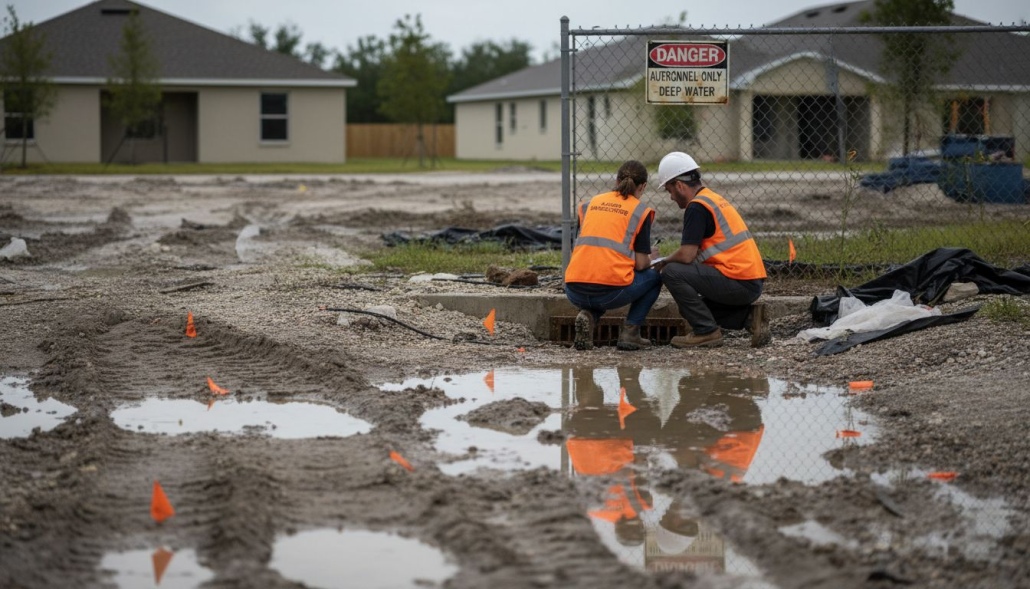
Florida property development demands more than ambition. Complex permitting regulations, flood vulnerabilities, and stringent environmental codes create costly obstacles for homeowners and commercial developers. Without expert civil engineering support, over 40% of projects face significant delays, budget overruns, and compliance failures. This article reveals how civil engineering advantages transform these challenges into opportunities, ensuring your Florida property project succeeds through strategic planning, regulatory mastery, and risk mitigation tailored to the state’s unique demands.
Table of Contents
- Selection Criteria For Civil Engineering Services In Florida Property Projects
- 1. Ensuring Permitting And Regulatory Compliance
- 2. Effective Drainage And Flood Mitigation
- 3. Utility Planning And Site Grading Optimization
- 4. Risk Mitigation And Long Term Investment Protection
- 5. Situational Recommendations For Selecting Civil Engineering Services
- Discover Expert Civil Engineering Services For Florida Projects
- Frequently Asked Questions
Key Takeaways
| Point | Details |
|---|---|
| Permitting Compliance | Reduces project delays by 35% through expert coordination with regulatory agencies. |
| Drainage Engineering | Cuts flood damage risk by 50% and lowers insurance premiums 15 to 20%. |
| Utility Planning | Reduces infrastructure conflicts by 12% and unforeseen costs by 30%. |
| Risk Mitigation | Raises property market value by 15% while cutting inspection failures 25%. |
| Service Selection | Depends on project scale, flood zone status, and site complexity. |
Selection Criteria for Civil Engineering Services in Florida Property Projects
Choosing the right civil engineering partner determines whether your Florida project sails through approvals or drowns in revisions. You need professionals who understand local and state codes inside out, particularly Florida’s unique zoning, wetland protections, and stormwater management requirements. Selecting engineers with regulatory expertise and Florida-specific experience is crucial for project success.
Prioritize these criteria when evaluating civil engineering services:
- Demonstrated expertise in Florida drainage design, flood mitigation strategies, and utility coordination
- Proven track record minimizing permitting delays and regulatory rejections
- Strong coordination capabilities across architectural, structural, and environmental disciplines
- Experience with your specific project type, whether residential subdivision or commercial development
- Licensed engineers familiar with county and municipal code variations across Florida regions
Pro Tip: Engage civil engineers during initial site selection and conceptual design phases. This timing prevents costly redesigns when regulatory issues surface later. Early involvement typically saves 20 to 30% on total project costs by identifying challenges before they become expensive problems.
Engineers who understand multidisciplinary collaboration ensure your architectural vision aligns with structural realities and site constraints. Look for firms offering integrated services covering everything from site analysis through final permitting. This approach streamlines communication and accelerates approvals. Following civil engineering tips for Florida developers positions your project for success from day one.
1. Ensuring Permitting and Regulatory Compliance
Florida’s permitting landscape resembles a maze designed by committees. State environmental agencies, regional water management districts, county planning departments, and municipal code enforcement each impose overlapping requirements. Miss one detail and your project stalls for months while competitors move forward.
Civil engineers prepare the sealed plans Florida law requires for virtually all development permits. Nearly 100% of Florida developments require sealed civil engineering plans, and 40%+ projects without support face costly setbacks. These professionals know exactly what documentation each agency demands, how to present technical data clearly, and which officials review your submissions.
Permitting advantages include:
- Expert coordination reducing agency rejections and comment cycles by over 35%
- Accurate initial submissions avoiding resubmission fees and timeline extensions
- Strategic sequencing of permits to prevent approval dependencies from creating bottlenecks
- Proactive resolution of environmental concerns before they trigger stop work orders
Pro Tip: Request your engineer attend pre application meetings with permitting agencies. These sessions clarify expectations, reveal unwritten preferences, and build relationships that smooth later reviews. Understanding the civil engineering role in permitting transforms compliance from obstacle to competitive advantage.
Compliance extends beyond initial approvals. Engineers ensure construction documents match permitted plans, reducing inspection failures that halt work and drain budgets. They anticipate code updates and agency policy shifts, protecting you from mid project requirement changes. This vigilance prevents the fines and mandatory redesigns that devastate project economics.
2. Effective Drainage and Flood Mitigation
Florida’s flat topography, intense rainfall, and hurricane exposure create flood risks unmatched elsewhere in the United States. Poor drainage design doesn’t just inconvenience occupants during storms. It destroys property values, triggers insurance nightmares, and exposes developers to liability claims that persist for years.
Civil engineers designing for Florida conditions deliver measurable protection. Drainage engineering reduces flood damage risk by up to 50% and stormwater peak flows by 40%, lowering insurance costs 15 to 20%. These savings compound annually, significantly improving investment returns over property lifecycles.
Key drainage solutions include:
- Custom graded swales directing surface water away from structures toward retention areas
- Retention ponds sized for 100 year storm events, preventing downstream flooding
- Pervious pavement systems reducing runoff volumes while meeting parking requirements
- Pump stations managing water tables in low lying areas prone to seasonal saturation
In Florida, drainage design is the frontline defense against costly flood damage.
| Drainage Feature | Flood Reduction | Cost Impact |
|---|---|---|
| Retention Ponds | 40% peak flow reduction | 15% lower insurance premiums |
| Elevation Certificates | Compliance documentation | 20% insurance savings potential |
| Graded Swales | Surface water control | Prevents structural damage |
| No Rise Certificates | FEMA compliance | Required for development approval |
Pro Tip: Prioritize obtaining elevation certificates and no rise certifications early in design. These documents prove your project won’t increase flood risk for neighboring properties, satisfying FEMA requirements while unlocking substantial insurance discounts. Following expert drainage and flood mitigation tips protects both immediate budgets and long term asset values.
Engineers analyze site topography, soil permeability, and watershed characteristics to design systems matching your property’s unique conditions. Generic approaches fail in Florida’s diverse environments, from coastal sand to interior clay soils. Professional analysis ensures systems function effectively across wet and dry seasons.
3. Utility Planning and Site Grading Optimization
Underground utility conflicts rank among the most expensive surprises in construction. You excavate for foundations and discover unmarked water lines. Electrical conduits appear where drainage pipes need routing. Each conflict burns days or weeks while crews wait for utility relocations, inspections, and approvals.
Civil engineers prevent these disasters through comprehensive utility coordination. Utility planning reduces infrastructure conflicts by 12% and unforeseen costs by 30%, while professional grading stabilizes the site long term. They survey existing utilities, coordinate with providers for new service installations, and design routing that avoids conflicts with structural elements.
Optimized utility planning delivers:
- Efficient routing minimizing trenching distances and material costs
- Strategic placement preventing future maintenance access problems
- Coordination with multiple providers ensuring simultaneous installations
- Adequate capacity planning preventing costly upgrades when occupancy increases
Site grading extends beyond leveling dirt. Engineers balance cut and fill volumes to minimize hauling costs while achieving proper drainage slopes. They identify unsuitable soils requiring removal or stabilization before construction begins. This analysis prevents foundation settlements, pavement failures, and drainage reversals that plague poorly graded sites.
Proper grading ensures:
- Structural stability through adequate soil bearing capacity and compaction
- Effective surface drainage directing water away from buildings and hardscapes
- ADA compliance for accessible routes and parking areas in commercial projects
- Future flexibility allowing additions or modifications without major regrading
Engineers use digital terrain modeling to visualize grading outcomes before earthwork begins. This technology identifies problems during design when fixes cost pennies compared to field corrections. Understanding utility and grading planning benefits separates successful projects from budget disasters.
4. Risk Mitigation and Long Term Investment Protection
Real estate development involves calculated risks, but unnecessary gambles destroy returns. Civil engineering transforms uncertain outcomes into predictable results by identifying and neutralizing risks before they materialize as losses.
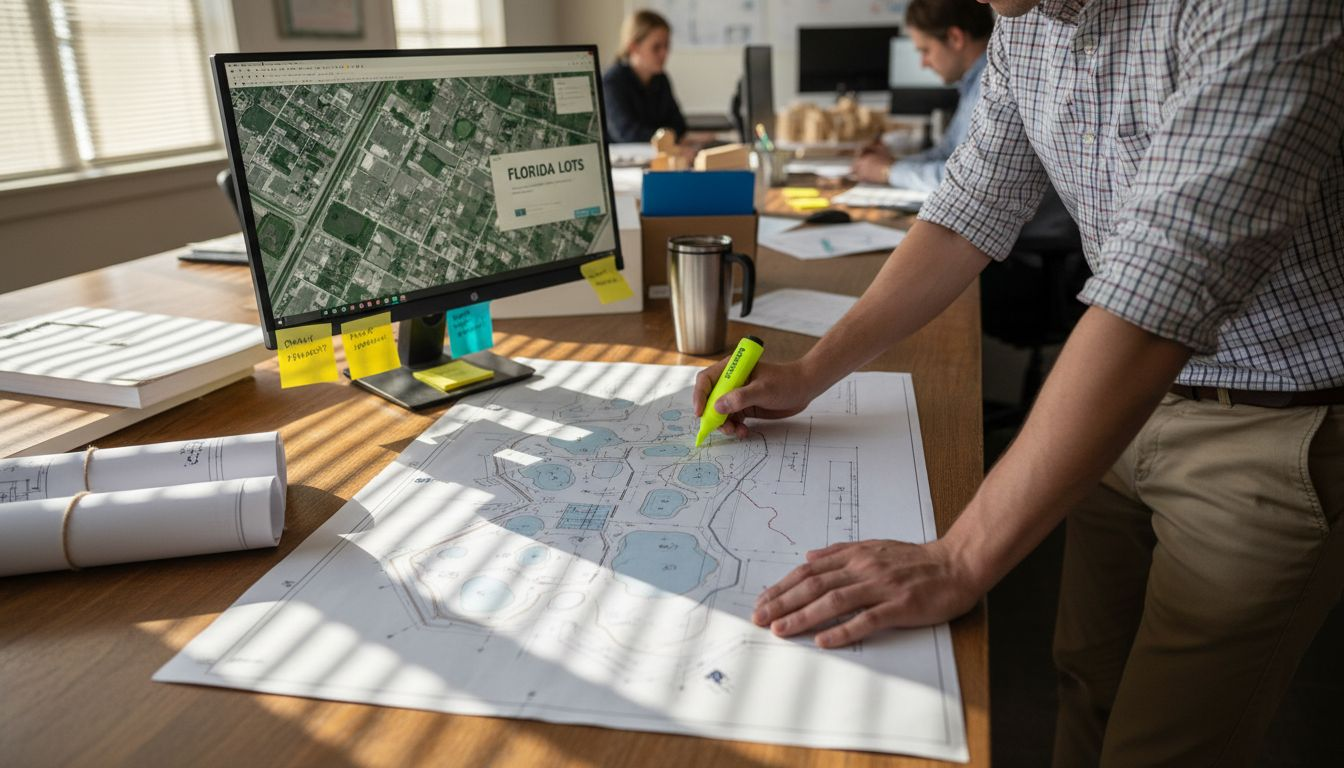
Environmental risks top Florida’s threat list. Wetland encroachment triggers enforcement actions halting construction indefinitely. Protected species habitats discovered mid project generate redesign costs and delays. Engineers conduct environmental assessments early, mapping constraints and designing around sensitive areas. This diligence keeps projects moving forward on schedule.
Financial protection advantages include:
- Enhanced property market values increasing by up to 15% with documented engineering
- Reduced inspection failure rates declining 25%, cutting expensive rework
- Lower insurance premiums through flood certifications and compliant design
- Improved financing terms as lenders recognize reduced project risks
Civil engineering involvement increases property market values by up to 15% and reduces inspection failures by 25%. These improvements directly impact bottom line profitability and investor returns.
| Benefit Category | Impact Metric | Primary Value |
|---|---|---|
| Market Value | 15% increase | Higher sale prices, better cap rates |
| Inspection Pass Rate | 25% fewer failures | Reduced delays, lower rework costs |
| Insurance Costs | 15 to 20% savings | Annual operating expense reduction |
| Permitting Timeline | 35% faster approvals | Earlier revenue generation |
Long term investment protection extends decades beyond construction completion. Engineered infrastructure requires less maintenance and withstands environmental stresses that degrade amateur designs. Proper documentation provides legal protection if disputes arise about design decisions or regulatory compliance. Future buyers and tenants value properties with complete engineering records demonstrating quality construction.
Risk mitigation through investment protection through civil engineering creates competitive advantages in crowded markets. Properties with documented engineering command premium prices and attract quality tenants seeking reliable, compliant facilities.
5. Situational Recommendations for Selecting Civil Engineering Services
Not every project needs identical engineering support. Smart developers match service levels to project characteristics, regulatory environments, and risk profiles. Understanding these situational factors optimizes your engineering investment.
Flood prone coastal and low lying sites demand comprehensive drainage and flood mitigation expertise. Engineers experienced with FEMA regulations, coastal construction codes, and stormwater management district requirements prove essential. Skimping on engineering in high risk flood zones invites disasters that cost multiples of avoided fees.
Large commercial developments spanning multiple acres with complex utility demands require full civil engineering teams. Site planning, utility coordination, traffic impact analysis, and environmental permitting necessitate diverse expertise. Single discipline engineers lack the breadth these projects demand.
Smaller residential projects benefit most from focused compliance and site assessment services. You need sealed plans for permits and drainage analysis ensuring proper lot grading. Full scale civil engineering may exceed requirements for simple single family homes on suitable lots.
Project specific prioritization guidelines:
- Assess flood zone designation first. FEMA Special Flood Hazard Areas mandate comprehensive engineering regardless of project size.
- Evaluate site complexity including topography, soil conditions, and existing utility access. Challenging sites justify higher engineering investment.
- Review local jurisdiction requirements. Some municipalities impose stricter standards than state minimums, requiring enhanced engineering documentation.
- Consider project timeline criticality. Aggressive schedules benefit from experienced engineers who accelerate permitting and prevent delays.
- Analyze long term ownership intentions. Properties held for appreciation or income generation warrant thorough engineering protecting asset values.
Match engineering scope to your situation rather than applying one size fits all solutions. Residential developers tackling infill lots need different support than commercial teams building business parks. Consult engineers early to determine appropriate service levels for your specific circumstances.
Discover Expert Civil Engineering Services for Florida Projects
Transforming civil engineering advantages into project success requires the right professional partner. Florida Licensed Engineers delivers comprehensive solutions addressing every challenge discussed in this article.
Our licensed professionals bring decades of combined Florida experience across residential and commercial projects. We handle drainage design, flood mitigation, utility planning, site grading, and permitting coordination. Whether you need elevation certificates, no rise documentation, or complete site plans, we provide the expertise Florida projects demand. Explore our comprehensive engineering services overview to see how we streamline development from concept through completion.
We understand Florida’s regulatory landscape and maintain relationships with agencies across the state. This knowledge accelerates approvals while ensuring compliance with evolving requirements. Our multidisciplinary approach integrates civil engineering with architectural, structural, mechanical, electrical, and plumbing design, creating seamless project coordination.
Ready to protect your investment and accelerate your project? Visit our Florida Licensed Engineers service offerings or review our specialized residential engineering services in Florida to discover solutions tailored to your needs.
Frequently Asked Questions
What permits require civil engineering plans in Florida?
Virtually all development permits in Florida require sealed civil engineering plans. Site development permits, stormwater management permits, and FEMA flood zone certifications mandate professional engineering documentation. Even minor grading or drainage modifications typically need engineer sealed plans for approval.
How does civil engineering reduce flood insurance premiums?
Engineers provide elevation certificates and no rise certifications proving your property meets FEMA requirements. These documents demonstrate reduced flood risk, qualifying you for preferred insurance rates. Properly engineered drainage systems and flood mitigation features can lower premiums 15 to 20% compared to non certified properties.
When should homeowners engage civil engineers during a project?
Engage civil engineers during initial planning before purchasing property or finalizing designs. Early involvement identifies site constraints, regulatory requirements, and cost implications when you still have flexibility. This timing prevents expensive redesigns and delays discovered after commitments are made.
Can commercial developers skip civil engineering for small site work?
No. Florida regulations require professional engineering for nearly all commercial site work regardless of scale. Even small parking lot expansions or minor grading need sealed plans. Attempting to avoid engineering creates permitting rejections, construction delays, and potential liability exposure far exceeding engineering costs.
What is the ROI of investing in civil engineering for property projects?
Civil engineering delivers measurable returns through faster permitting saving months of carrying costs, reduced construction conflicts cutting expenses 30%, lower insurance premiums saving 15 to 20% annually, and increased property values rising up to 15%. Most projects see positive ROI within the first year through avoided delays and reduced costs alone.

