
What is a forensic report? A Florida homeowner’s guide 2026
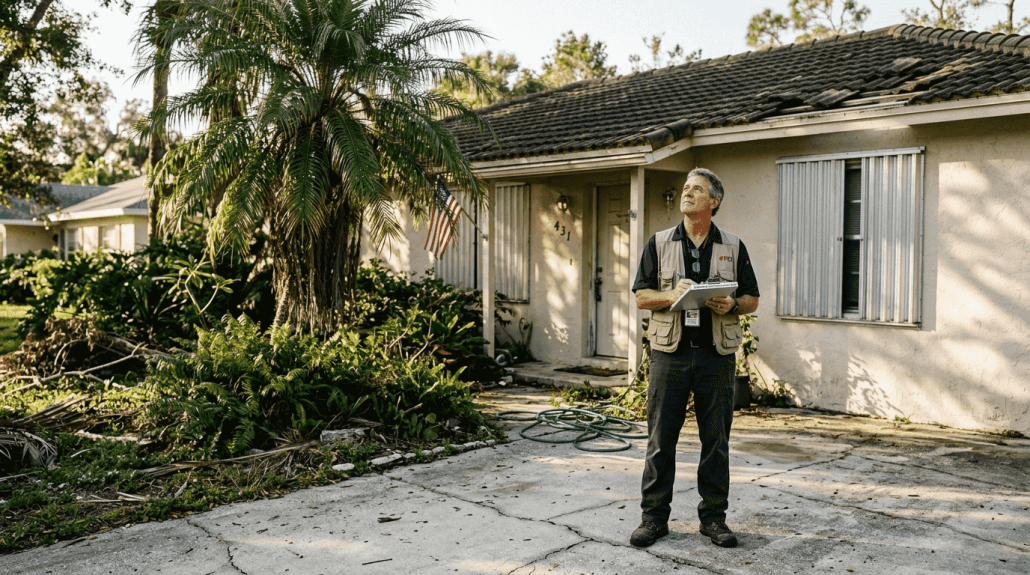
Property damage investigations in Florida can feel overwhelming, especially when you need to understand what went wrong and who is responsible. Many homeowners and business owners misunderstand forensic reports, viewing them as simple photo documentation instead of the comprehensive engineering analyses they truly are. This guide clarifies the purpose, process, and benefits of forensic reports, helping you make informed decisions about property repairs, insurance claims, and legal disputes.
Table of Contents
- What Is A Forensic Report? Definition And Purpose
- Florida-Specific Forensic Engineering Context
- Forensic Investigation Process In Florida
- Common Causes And Findings In Forensic Reports For Florida Properties
- Common Misconceptions About Forensic Reports
- Typical Content And Structure Of A Forensic Report
- Importance And Benefits Of Forensic Reports For Florida Property Owners
- Legal And Insurance Roles Of Forensic Reports In Florida
- Using Forensic Reports: Practical Next Steps For Florida Property Owners
- Learn More About Engineering Services In Florida
- Frequently Asked Questions
Key takeaways
| Point | Details |
|---|---|
| A forensic report identifies root causes of property damage with scientific analysis | Unlike basic inspections, forensic reports use advanced testing and engineering analysis to determine why failures occurred, not just what happened. |
| Florida’s climate creates unique forensic engineering challenges | Hurricanes, high humidity, coastal salt exposure, and rapid construction practices require specialized investigation approaches tailored to regional conditions. |
| The investigation process includes inspection, testing, and detailed reporting | Engineers systematically evaluate damage through visual inspections, diagnostic testing, structural modeling, and comprehensive documentation with repair recommendations. |
| Forensic reports support insurance claims and legal resolutions effectively | Objective, scientific evidence provided in forensic reports strengthens insurance claims and dispute resolution by establishing facts rather than assumptions. |
| Understanding reports helps you make informed repair and claim decisions | Knowing how to interpret forensic findings enables you to avoid ineffective repairs, choose cost-efficient solutions, and protect your property investment. |
What is a forensic report? Definition and purpose
A forensic report is an evidence-based engineering investigation document that identifies the root causes of structural failures and property damage through scientific analysis. These reports go far beyond visual damage documentation, serving as critical tools for understanding why failures occurred and how to prevent recurrence.
Forensic engineers use systematic methodologies to reconstruct failure scenarios backed by physical evidence, laboratory testing, and engineering calculations. Property owners commonly use these reports to support insurance claims and legal disputes, where objective technical evidence carries significant weight.
Common applications of forensic reports:
- Investigating structural collapses or significant building component failures
- Determining causes of water intrusion and building envelope damage
- Analyzing foundation settlement or soil-related issues
- Evaluating electrical, mechanical, or plumbing system failures
- Supporting construction defect claims against builders or contractors
Pro Tip: Over 70% of structural collapses result from design and construction errors, making forensic investigations critical for prevention. If you suspect poor workmanship or design flaws caused your property damage, a forensic report provides the scientific evidence needed to establish responsibility and guide effective repairs.
Florida-specific forensic engineering context
Florida’s unique environmental conditions significantly influence forensic engineering investigations and the findings documented in reports. Understanding these regional factors helps property owners recognize why forensic analysis is particularly valuable in the state.
Hurricanes pose the most obvious threat, causing devastating wind and water damage to structures throughout Florida. The combination of high wind forces and heavy rainfall creates complex failure scenarios that require expert analysis to distinguish between design defects, construction errors, and natural disaster impacts.
High humidity and coastal salt exposure accelerate material deterioration across the state. Metal components corrode faster, wood products experience moisture damage more frequently, and concrete structures face increased risk of reinforcement corrosion. These conditions create unique challenges that forensic engineers must consider when evaluating property damage.
Florida environmental factors affecting forensic investigations:
- Frequent hurricane activity requiring wind and water damage analysis
- Coastal salt spray causing accelerated corrosion of building materials
- High humidity promoting mold growth and moisture-related failures
- Rapid development leading to variable construction quality
- Limestone geology affecting foundation stability in many regions
Multiple engineering disciplines typically contribute to comprehensive Florida forensic investigations. Structural engineers evaluate load-bearing systems, building envelope specialists assess water intrusion paths, mechanical engineers examine HVAC failures, electrical engineers investigate power system issues, and plumbing engineers analyze water and drainage problems. This multidisciplinary approach ensures thorough evaluation of complex damage scenarios common in Florida properties.
Forensic investigation process in Florida
Understanding the systematic investigation process helps property owners know what to expect and how forensic engineers develop their findings.
-
Initial consultation and site evaluation begin the investigation, where engineers gather background information, review available documentation, and conduct preliminary site assessments to understand the scope of damage.
-
Visual inspections with photographic documentation follow, capturing detailed evidence of damage patterns, material conditions, and structural configurations that inform subsequent analysis.
-
Diagnostic testing using specialized forensic engineering tools like moisture meters, thermal imaging cameras, and structural load testing equipment reveals hidden conditions and quantifies damage severity.
-
Scientific analysis including structural modeling, material testing, and failure reconstruction uses engineering principles to determine how and why failures occurred based on physical evidence.
-
Preparation of detailed forensic reports synthesizes all findings into comprehensive documents with annotated photographs, root cause analysis, regulatory compliance assessment, and specific repair recommendations with cost estimates.
Pro Tip: The forensic investigation process typically takes several days to weeks depending on property size, damage complexity, and laboratory testing requirements. Request a timeline estimate during initial consultation to plan insurance claim deadlines and repair schedules accordingly.
Report usage extends beyond documentation. Insurance adjusters rely on forensic findings to validate claims, attorneys use reports as expert evidence in litigation, and property owners depend on recommendations to guide effective repairs that address root causes rather than symptoms.
Common causes and findings in forensic reports for Florida properties
Forensic reports for Florida properties frequently identify recurring failure patterns and damage causes related to both construction practices and environmental conditions.
Design and construction defects represent leading causes of structural failures, often combined with water intrusion and foundation issues exacerbated by Florida’s weather. Engineering calculations errors, improper material specifications, and code violations during initial construction create vulnerabilities that manifest as damage over time.
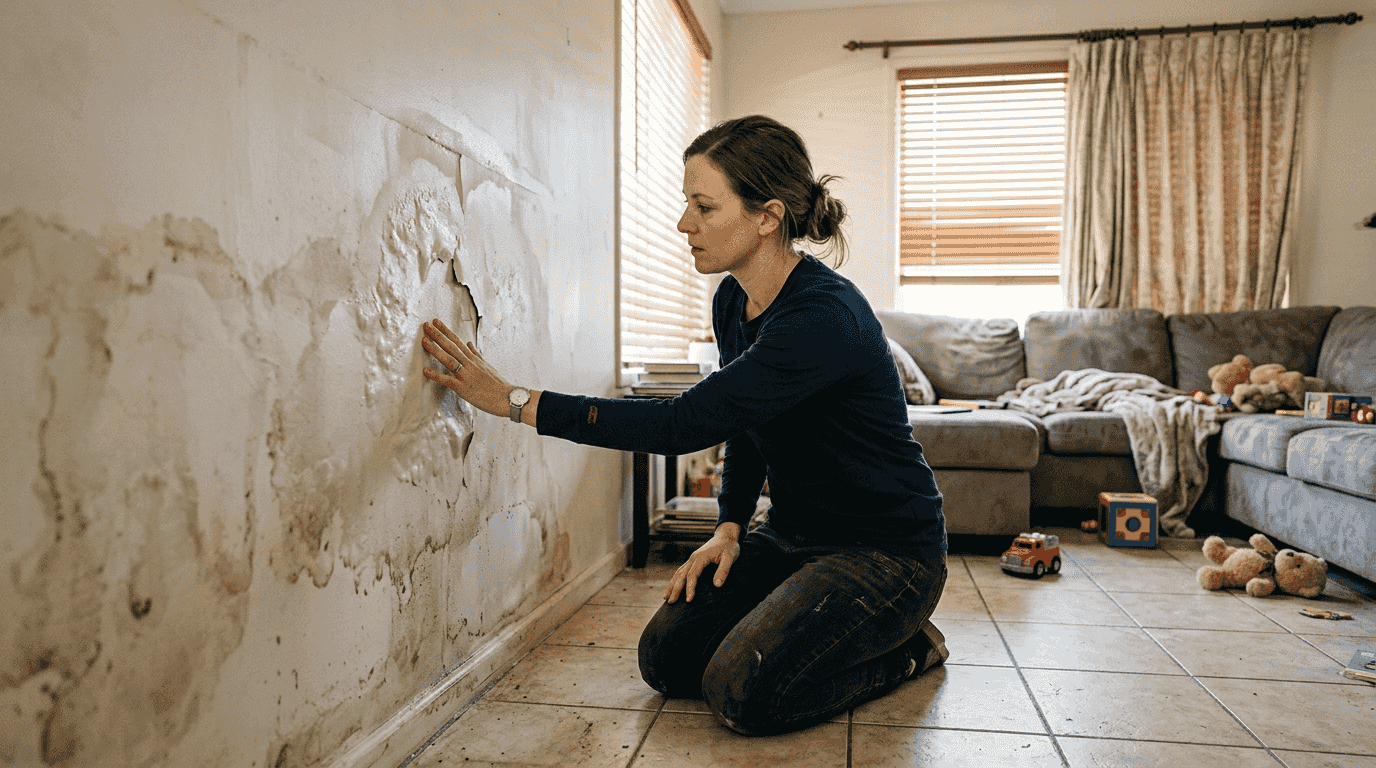
Water intrusion causing roofing and building envelope damage appears consistently in Florida forensic reports. Inadequate flashing details, improperly installed windows and doors, and insufficient waterproofing allow moisture penetration that damages interior finishes, structural components, and building systems.
Frequent failure causes identified in Florida forensic investigations:
- Inadequate wind resistance design for hurricane conditions
- Poor drainage grading causing foundation settlement
- Electrical system overloading or improper installation
- HVAC system undersizing for Florida’s cooling demands
- Concrete reinforcement corrosion from moisture exposure
| Failure Type | Typical Root Cause | Florida-Specific Factor |
|---|---|---|
| Roof collapse | Design load calculation errors | Hurricane wind uplift forces |
| Foundation settlement | Inadequate soil investigation | Limestone dissolution |
| Water intrusion | Building envelope defects | Wind-driven rain penetration |
| Electrical fires | Circuit overloading | High cooling equipment loads |
Foundation settlement and electrical system failures complete the list of common findings. Florida’s variable soil conditions, including expansive clays and limestone substrata, create foundation challenges that require proper geotechnical investigation during design. Electrical systems face heavy demands from air conditioning equipment, and improper sizing or installation can lead to overheating and fire risks.
Common misconceptions about forensic reports
Clearing up misunderstandings helps property owners set realistic expectations and fully utilize forensic report findings.
Many people believe forensic reports simply document visible damage through photographs. In reality, reports offer unbiased, scientific analysis that determines root causes through testing, calculations, and expert evaluation. The photographic evidence supports technical findings rather than constituting the entire investigation.
Common misconceptions clarified:
- Forensic reports are not just expensive photo albums; they provide engineering analysis explaining why failures occurred
- Findings result from scientific methods and testing, not personal opinions or assumptions
- Reports identify causes based on evidence, not predetermined conclusions favoring any party
- Forensic engineers maintain professional objectivity regardless of who retains their services
- The investigation process requires time for thorough analysis, not instant answers
Some property owners mistakenly assume forensic engineers simply assign blame without supporting evidence. Professional forensic practice demands that conclusions flow logically from physical evidence, test results, and engineering principles. When reports identify responsible parties, those determinations rest on technical analysis of construction practices, material performance, and compliance with applicable codes and standards.
Understanding these distinctions helps homeowners and business owners trust forensic findings and use recommendations effectively to protect their properties and investments.
Typical content and structure of a forensic report
Knowing what to expect inside the forensic report document builds confidence in navigating and applying its findings.
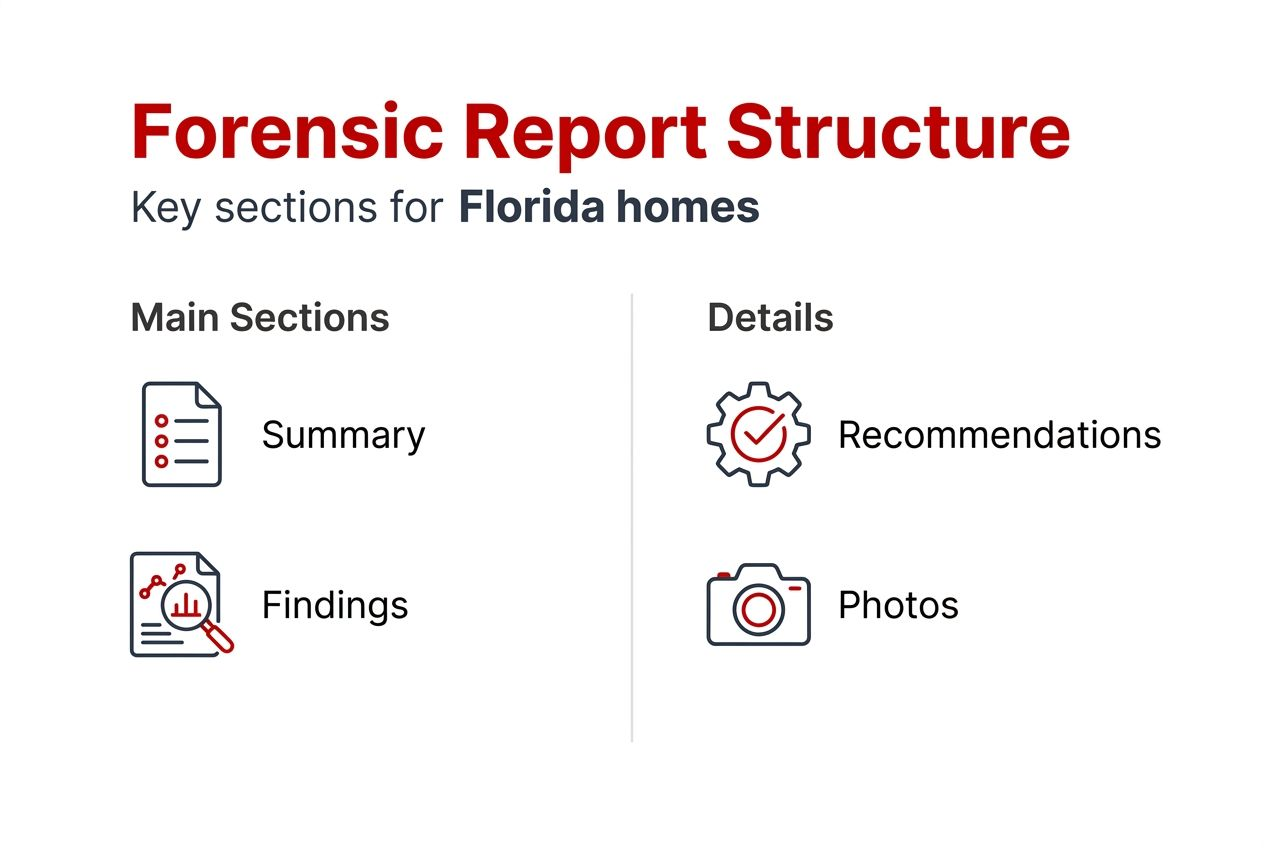
Comprehensive forensic reports include photo-annotated timelines, scientific testing results, root cause explanations, repair suggestions, cost estimates, and compliance notes organized in logical sections that support both technical and non-technical readers.
Standard forensic report components:
- Executive summary providing overview of findings and conclusions for quick reference
- Detailed narrative describing investigation methodology, observations, and analysis process
- Annotated photographic evidence documenting damage progression and supporting technical findings
- Laboratory test results and diagnostic data quantifying material properties and failure conditions
- Root cause analysis explaining failure mechanisms through engineering principles
- Remediation recommendations specifying repair approaches, materials, and quality standards
- Cost estimates for recommended repairs based on current construction pricing
- Code compliance assessment identifying regulatory requirements for repairs
| Report Section | Primary Purpose | Key Content |
|---|---|---|
| Executive Summary | Quick overview for decision makers | Main findings and conclusions |
| Investigation Methodology | Establish credibility and thoroughness | Inspection procedures and testing protocols |
| Technical Analysis | Explain failure mechanisms | Engineering calculations and scientific principles |
| Recommendations | Guide effective repairs | Specific remediation steps and materials |
Remediation advice includes estimated costs helping property owners budget repairs and evaluate contractor proposals. Regulatory compliance considerations ensure repairs meet Florida Building Code requirements and obtain necessary permits, avoiding future problems with building departments or insurance coverage.
Importance and benefits of forensic reports for Florida property owners
Forensic reports deliver practical value beyond technical documentation, helping property owners avoid costly mistakes and streamline resolution processes.
Identifying true causes prevents ineffective surface-level repairs that waste money without addressing underlying problems. When you understand root causes, you can implement permanent solutions rather than temporary fixes that fail repeatedly.
Forensic reports help avoid unnecessary repairs and provide cost-efficient remediation paths supporting insurance and legal needs. Documented evidence strengthens insurance claims by demonstrating damage causes, extent, and appropriate repair costs based on engineering analysis rather than estimates.
Key benefits for Florida property owners:
- Prevents wasted spending on repairs that do not address actual failure causes
- Provides objective evidence for insurance claim substantiation and negotiation
- Supports legal cases with expert testimony accepted in Florida courts
- Guides selection of qualified contractors and appropriate repair methods
- Protects property values by ensuring effective, permanent remediation
“A thorough forensic investigation pays for itself by preventing thousands in unnecessary repairs and supporting fair insurance settlements. The report becomes your roadmap for protecting your property investment.”
Supporting expert witness testimony in legal cases represents another valuable benefit when needed. Forensic engineers who prepare reports can testify about their findings, methodologies, and conclusions, providing credible technical evidence that courts and juries understand and respect.
Legal and insurance roles of forensic reports in Florida
Forensic reports serve critical functions in insurance claims and legal matters specific to Florida property issues.
Insurance companies increasingly require technical documentation to substantiate damage claims, particularly for significant losses or disputed coverage issues. Reports serve to validate insurance claims, support dispute resolution, and provide fair responsibility allocation with court-ready expert testimony.
Dispute resolution between property owners, contractors, developers, and insurers relies heavily on objective evidence. Forensic reports provide that evidence by documenting facts through scientific investigation rather than relying on competing subjective opinions.
Legal and insurance applications:
- Substantiating insurance damage claims with engineering analysis and cost estimates
- Resolving coverage disputes by determining whether damage resulted from covered perils
- Supporting construction defect litigation against builders or contractors
- Providing expert witness testimony in mediation, arbitration, or trial proceedings
- Establishing responsibility allocation based on engineering facts rather than assumptions
Florida courts accept expert testimony from qualified forensic engineers who meet professional licensing requirements and demonstrate relevant experience. The detailed technical analysis documented in forensic reports withstands cross-examination because findings rest on established engineering principles, physical evidence, and accepted testing methodologies.
Ensuring responsibilities are assigned based on scientific facts, not assumptions, protects all parties involved. Property owners receive fair compensation for legitimate damages, insurers avoid paying for pre-existing conditions or excluded perils, and responsible parties face accountability proportionate to their actual contributions to failures.
Using forensic reports: practical next steps for Florida property owners
Taking appropriate action after receiving a forensic report maximizes its value and protects your property investment.
-
Review and understand the repair recommendations in the report carefully, noting prioritization of critical safety issues versus cosmetic concerns and long-term versus temporary solutions.
-
Engage licensed engineers and contractors familiar with Florida regulations for remediation, verifying their qualifications and requesting references from similar projects before signing contracts.
-
Use the forensic report to support insurance claims or legal negotiations, providing copies to adjusters or attorneys and highlighting key findings that establish coverage or liability.
-
Monitor repairs for quality and compliance based on forensic guidance, ensuring contractors follow recommended methods and materials rather than cutting corners or substituting inferior alternatives.
Homeowners should evaluate repair recommendations, engage licensed professionals, and leverage the report in insurance or legal negotiations to restore and protect property. The investment in forensic investigation pays dividends through effective repairs, fair insurance settlements, and documented evidence protecting property values.
Consider requesting periodic inspections during repairs to verify compliance with forensic recommendations. Many forensic engineers offer construction oversight services ensuring contractors implement repairs correctly, particularly for complex structural or building envelope work.
Maintain copies of the forensic report, contractor proposals, repair invoices, and compliance certifications in permanent property records. This documentation proves valuable for future property sales, insurance renewals, and warranty claims, demonstrating that damage was professionally investigated and properly repaired.
Learn more about engineering services in Florida
Navigating property damage and repairs becomes significantly easier with professional engineering support tailored to Florida’s unique conditions. Whether you need forensic investigations, structural assessments, or comprehensive project engineering, accessing qualified professionals makes the difference between effective solutions and costly mistakes.
Our engineering services cover residential and commercial projects throughout Florida, including inspections, blueprints, permitting expediter services, and complete architectural, structural, mechanical, electrical, and plumbing plans. We provide forensic investigation and reports that deliver the scientific analysis and documented evidence you need for insurance claims and legal matters. Civil engineering services including drainage, grading, utility planning, site plans, flood mitigation, and elevation certificates round out our comprehensive engineering support. Contact us to discuss how professional engineering services can protect your property investment.
Frequently asked questions
How long does a forensic investigation typically take in Florida?
Typical investigations take several days to weeks depending on complexity and testing needed. Simple damage assessments with minimal testing may conclude within a week, while complex failures requiring laboratory analysis, structural modeling, or multiple site visits can extend to several weeks. Factors like property size, damage extent, weather conditions affecting site access, and laboratory turnaround times for specialized testing all impact timeline. Request a specific timeline estimate during initial consultation to plan insurance claim deadlines and repair schedules.
Can I rely on a forensic report to win an insurance claim dispute in Florida?
Yes, forensic reports provide objective, scientific evidence that courts and insurers value highly. While no outcome can be guaranteed, professionally prepared reports significantly strengthen your position by documenting damage causes, extent, and appropriate repair costs through engineering analysis rather than subjective estimates. Insurance adjusters and legal professionals recognize that forensic findings based on established engineering principles and physical evidence carry substantial weight in dispute resolution. The key is ensuring your forensic engineer has appropriate credentials, Florida licensure, and relevant experience.
How can I choose a qualified forensic engineer in Florida?
Verify professional licensure and forensic engineering specialization as your first step. Florida requires engineers to hold active professional engineer licenses issued by the state board, which you can verify through public databases. Look for experience specifically with Florida property conditions, building codes, and common regional damage patterns like hurricane impacts and moisture-related failures. Ask for sample reports demonstrating clear writing, thorough analysis, and practical recommendations. Request references from previous clients facing similar property issues and verify the engineer’s experience and qualifications match your needs before engagement.

