
What are architectural plans? Your 2026 Florida guide
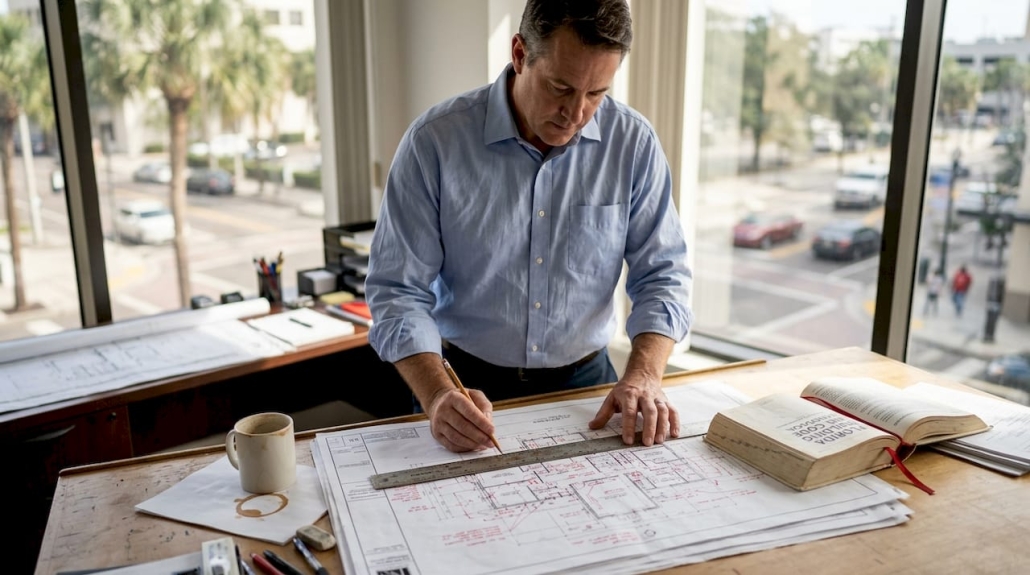
Many Florida property owners mistakenly view architectural plans as simple sketches, but they are comprehensive construction blueprints essential for permitting and building success. Understanding what architectural plans include and why they matter helps you navigate Florida’s strict building codes, avoid costly delays, and ensure your residential or commercial project meets safety and regulatory standards. This guide clarifies the types of plans you need, how they comply with Florida requirements, and practical steps to use them effectively for faster approvals and successful construction outcomes.
Table of Contents
- What Are Architectural Plans And Why Do They Matter In Florida?
- Types Of Architectural Plans Commonly Used In Florida Projects
- Navigating Florida Building Code And Permitting With Architectural Plans
- How To Use Architectural Plans Effectively For Your Florida Construction Project
- Discover Expert Engineering And Architectural Services In Florida
- What Are Architectural Plans? Common Questions Answered
Key takeaways
| Point | Details |
|---|---|
| Comprehensive documentation | Architectural plans include site plans, floor plans, elevations, cross-sections, foundation details, and MEP coordination essential for Florida construction. |
| Licensed professional seals | Florida Building Code requires licensed architects or engineers to sign and seal plans for valid permit submissions. |
| Wind and flood resistance | Structural engineering for hurricane loads and flood mitigation is mandatory for Florida projects to meet code and reduce insurance costs. |
| Permitting efficiency | Properly prepared architectural plans reduce permitting delays by up to 50% and save $13 per $1 invested in mitigation. |
What are architectural plans and why do they matter in Florida?
Architectural plans are detailed construction documents that guide every phase of building, from foundation to finish. These aren’t casual drawings but engineered blueprints specifying dimensions, materials, structural systems, and compliance details. For Florida projects, architectural plan essentials must address unique challenges like hurricane wind loads, flood zones, and high humidity impacts on materials.
Typical architectural plan sets include multiple drawing types working together. Site plans show property boundaries, setbacks, and building placement. Floor plans detail room layouts, door swings, and interior circulation. Elevations illustrate exterior appearances and heights. Cross-sections reveal hidden structural elements and material assemblies. Foundation and framing plans specify load-bearing systems critical for wind resistance. MEP plans coordinate mechanical, electrical, and plumbing systems to ensure safety and efficiency.
Florida law mandates that plans be signed and sealed by licensed professionals before permitting authorities accept them. This requirement protects public safety by ensuring qualified engineers and architects verify compliance with the Florida Building Code. Without proper seals, your permit application gets rejected immediately, delaying your project start by weeks or months.
For homeowners and business owners, quality architectural plans prevent expensive mistakes. They clarify contractor expectations, coordinate trades, and document code compliance. When you invest in comprehensive engineering services in Florida, you gain assurance that your project meets legal standards and avoids rework that drains budgets and timelines.
Pro Tip: Request digital plan files in addition to paper copies so you can easily share updates with contractors, inspectors, and permitting offices throughout your project.
Types of architectural plans commonly used in Florida projects
Florida construction requires multiple plan types, each serving distinct purposes in the building process. Understanding what each plan communicates helps you verify completeness before permit submission and ensures all trades have the information they need.
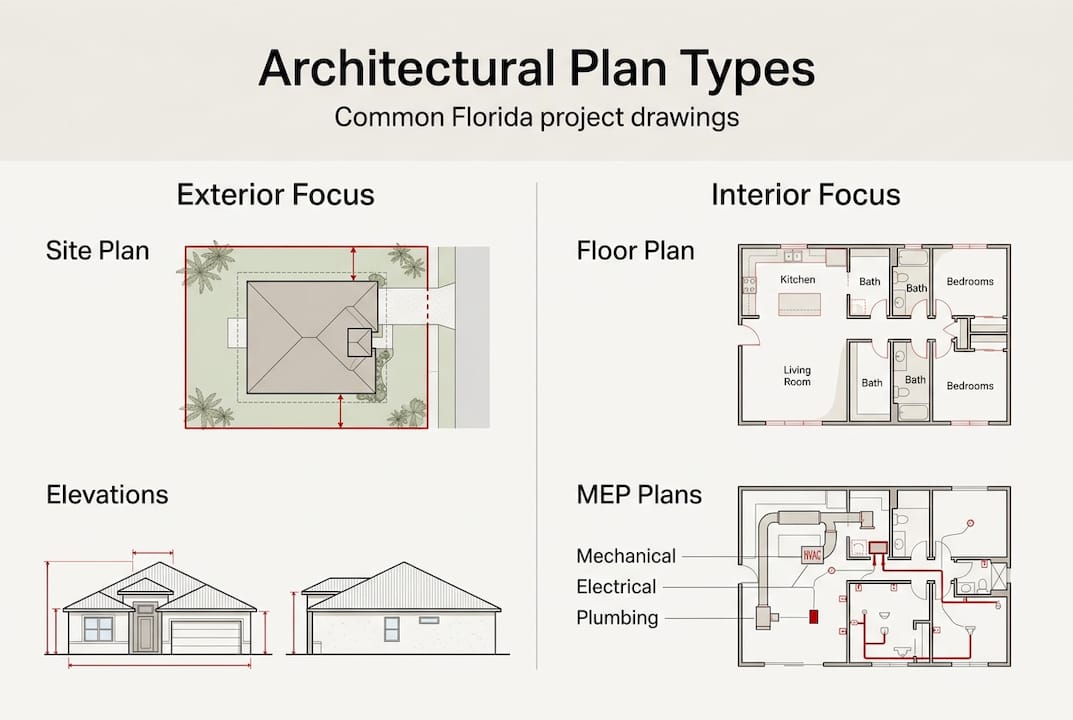
Site plans establish your building’s relationship to the property. They show lot boundaries, topography, drainage patterns, utility connections, and setback compliance. For Florida projects in flood zones, site plans must indicate base flood elevations and finished floor heights. These details determine whether you need additional flood mitigation measures.
Floor plans provide the layout blueprint everyone references. They specify room dimensions, door and window locations, wall types, and circulation paths. Commercial projects require more detailed floor plans showing egress routes, accessibility compliance, and occupancy loads. Residential floor plans focus on livability and code minimums like bedroom sizes and emergency escape windows.
Elevation drawings depict your building’s exterior from all sides. They show roof pitches, siding materials, window styles, and height measurements. Florida permitting offices scrutinize elevations to verify compliance with local design standards, coastal construction requirements, and wind load ratings. Accurate elevations prevent surprises during construction when material specifications must match approved plans.
Cross-sections cut through your building to reveal interior construction details. They show wall assemblies, insulation placement, ceiling heights, and structural connections. For Florida projects, cross-sections must demonstrate proper moisture barriers, ventilation paths, and hurricane-rated fastening systems. These drawings help inspectors verify that hidden work meets code before walls close up.
Foundation and framing plans specify your building’s structural skeleton. Foundation plans detail footing sizes, reinforcement schedules, and anchor bolt placement. Framing plans show beam sizes, joist spacing, and load paths. In Florida, these plans must account for wind uplift forces and soil conditions. Engineers calculate member sizes to resist hurricane loads, and structural considerations for wind and flood are mandatory inclusions.
MEP plans coordinate building systems that keep occupants comfortable and safe. Mechanical plans show HVAC equipment, ductwork, and ventilation. Electrical plans indicate panel locations, circuit routing, and fixture placement. Plumbing plans detail water supply, drainage, and fixture connections. Proper MEP plans for permitting prevent conflicts between trades and ensure systems meet energy codes.
| Plan Type | Primary Purpose | Florida-Specific Requirements |
|---|---|---|
| Site Plan | Property layout and utilities | Flood elevation data, drainage design |
| Floor Plan | Interior layout and circulation | Egress routes, accessibility compliance |
| Elevation | Exterior appearance and heights | Wind load ratings, coastal standards |
| Cross-Section | Hidden construction details | Moisture barriers, hurricane fasteners |
| Foundation/Framing | Structural support system | Wind uplift calculations, soil reports |
| MEP Plans | Building systems coordination | Energy code compliance, safety devices |
Different project types require varying detail levels. Residential additions might need only basic floor plans and elevations, while commercial buildings demand complete plan sets with engineering calculations. Consult types of architectural blueprints to understand what your specific project requires.
Pro Tip: Ask your design professional to include detail callouts and material specifications directly on plans rather than in separate documents to reduce confusion during construction.
Navigating Florida building code and permitting with architectural plans
The Florida Building Code establishes minimum standards that all architectural plans must meet before permitting offices approve construction. The 8th Edition, adopted statewide, incorporates enhanced wind resistance requirements and updated flood provisions reflecting Florida’s hurricane exposure. Your plans must demonstrate compliance with these standards through calculations, details, and professional certifications.
Licensed Florida architects and engineers provide the required professional oversight. State law prohibits unlicensed individuals from preparing plans for most residential and all commercial projects. When you hire licensed professionals, they analyze your project requirements, apply code provisions correctly, and seal plans certifying compliance. This seal carries legal weight and liability, motivating thorough review before submission.
Following code requirements from the start prevents permit rejections that delay projects. Common rejection reasons include missing structural calculations, incomplete MEP details, and inadequate flood mitigation documentation. When you submit complete, code-compliant plans, permitting delays reduce by 50%, allowing faster project starts and avoiding holding costs on financing.
Streamlining your permitting process requires strategic preparation:
- Engage licensed professionals early in design to identify code issues before plans are complete.
- Verify all drawings reference current Florida Building Code editions and local amendments.
- Include flood zone documentation, elevation certificates, and wind mitigation details upfront.
- Submit complete plan sets with all required supporting documents in the initial application.
- Maintain contact with permitting staff to address questions quickly and avoid review delays.
Flood mitigation deserves special attention in Florida’s coastal and low-lying areas. Elevating structures above base flood elevation (BFE) dramatically reduces damage risk and lowers insurance premiums. Studies show that proper elevation and flood-resistant construction save substantial money over a building’s lifetime.
Plans reduce permitting delays by 50% and proper elevation mitigations save $13 per $1 invested, making quality architectural planning a financially smart decision for Florida property owners.
Understanding architectural plan essentials Florida helps you ask informed questions during design. Learn about the role of architects in construction and the role of engineers in permitting to appreciate how different professionals contribute to successful plan preparation and approval.
Pro Tip: Request a pre-application meeting with your local building department to review preliminary plans and identify potential issues before formal submission, saving revision time and fees.
How to use architectural plans effectively for your Florida construction project
Architectural plans become valuable tools when you actively use them to coordinate construction and communicate with your project team. Simply obtaining sealed plans isn’t enough; you must verify their completeness, share them appropriately, and reference them throughout building.
Start by confirming all plan sheets carry current professional seals from licensed Florida architects or engineers. Check seal dates, license numbers, and signature authenticity. Permitting offices reject plans with expired licenses or missing seals, so verification before submission prevents wasted application fees and time.
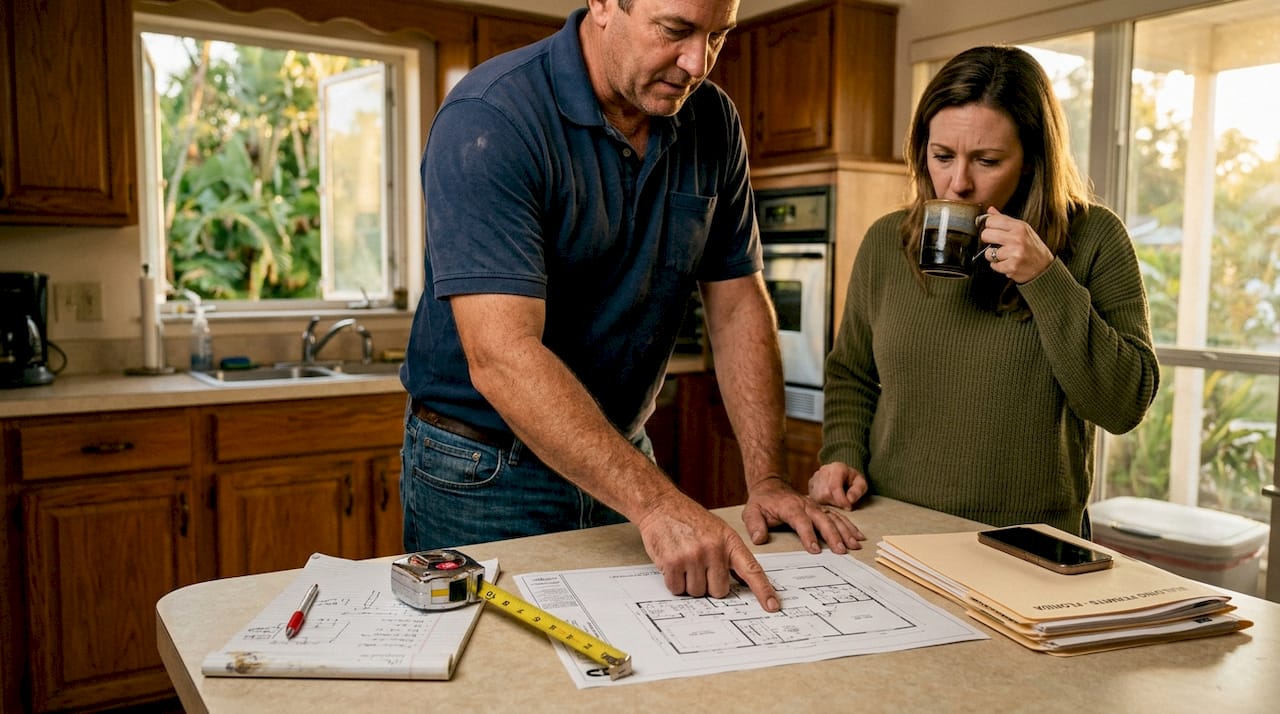
Review plans thoroughly with your contractor before construction begins. Walk through each drawing type together, discussing materials, methods, and potential challenges. This collaborative review catches interpretation differences early when changes cost less. Contractors appreciate clients who understand plans because it reduces miscommunication and change orders during building.
Use architectural plans to coordinate between specialized trades. Your electrician needs to see plumbing plans to avoid routing conflicts. Your HVAC contractor must review framing plans to size equipment and ductwork properly. Providing complete plan sets to all trades prevents field conflicts that stop work and require expensive redesigns.
Maintain open communication with permitting inspectors throughout construction. Keep approved plans on-site for inspector reference during visits. When inspectors see work matching approved plans exactly, they sign off faster. Discrepancies between plans and actual construction trigger stop-work orders and mandatory revisions.
Plan for revisions and updates as your project progresses. Even well-prepared plans sometimes need adjustments for field conditions or owner changes. Submit revision requests promptly with clear markings showing what changed. The earlier you catch needed changes, the less they disrupt schedules and budgets. Plans reduce permitting delays by 50% when properly managed throughout construction.
Consider incorporating above-code design elements that enhance performance beyond minimums. Extra wind bracing, superior moisture barriers, and elevated flood protection cost more initially but reduce insurance premiums and repair costs long-term. Quality engineering services in Florida help you evaluate cost-benefit tradeoffs for enhanced resilience.
Familiarize yourself with Florida’s home builder permit guide to understand approval processes and timelines. Knowledge of permitting procedures helps you set realistic project schedules and avoid frustration from unexpected delays.
Pro Tip: Photograph completed work that gets covered up, like foundation reinforcement and wall framing, with plan sheets visible in photos to document code compliance if questions arise later.
Discover expert engineering and architectural services in Florida
Navigating Florida’s complex building codes and permitting requirements becomes simpler when you partner with experienced professionals who understand local regulations and best practices. Florida Licensed Engineers provides comprehensive services tailored to residential and commercial projects across the state, ensuring your architectural plans meet all requirements for smooth approvals.

Our team prepares complete plan sets including architectural, structural, mechanical, electrical, and plumbing drawings with proper professional seals. We handle inspections, permitting coordination, and expediter services that keep your project moving forward. Whether you need flood mitigation analysis, elevation certificates, or forensic investigation reports, our expertise covers every aspect of Florida construction engineering.
Explore our detailed engineering services overview guide to understand how we support projects from concept through completion. Learn about specific drawing types in our types of architectural blueprints explained resource. Contact us to discuss how our engineering services in Florida can ensure your project’s success.
What are architectural plans? Common questions answered
Do I need architectural plans for a small home addition in Florida?
Yes, Florida requires sealed architectural plans for most additions exceeding basic repairs. Even small projects need plans showing structural connections, code compliance, and licensed professional certification for permit approval.
How much do architectural plans cost for a Florida residential project?
Costs vary based on project complexity, typically ranging from $2,000 to $10,000 for residential plans. Commercial projects cost more due to additional engineering requirements and detailed coordination drawings.
Can I use architectural plans from another state for my Florida project?
No, Florida’s unique wind, flood, and humidity requirements demand state-specific engineering. Plans must address Florida Building Code provisions and carry seals from Florida-licensed professionals to gain permit approval.
How long does it take to prepare architectural plans for permitting?
Plan preparation typically takes 2 to 6 weeks depending on project size and complexity. Rushing plans increases error risk and permit rejection likelihood, so allow adequate time for thorough design and review.
What happens if I start construction without approved architectural plans?
Building without permits and approved plans violates Florida law, resulting in stop-work orders, fines, and mandatory demolition of non-compliant work. You’ll also face difficulties selling the property and obtaining insurance coverage.


